Revolutionizing Construction: The Power of Drone Digital Twin Services
So, construction is changing, right? It feels like every week there’s some new gadget or software promising to make things easier. One thing that’s really starting to get people talking is using drones to create digital copies of construction sites. These aren’t just fancy photos; they’re detailed, virtual models that can help with pretty much everything on a project. We’re talking about making plans better, keeping everyone safe, and even figuring out problems before they get big. It’s a pretty big deal for the industry, and it’s called drone digital twin services for construction.
Key Takeaways
- Drone digital twin services for construction help plan projects more effectively by creating detailed virtual models for better design and identifying potential issues early on.
- Using drone digital twin services for construction improves site safety and risk management through automated surveillance and better assessments of potential hazards.
- These services revolutionize asset inspection and maintenance by enabling real-time structural monitoring and proactive issue detection, making the process safer and more cost-effective.
- Drone digital twin services for construction provide a wealth of data for making smarter decisions, integrating with existing software, and assessing environmental impacts.
- The technology aids in quality control by creating accurate project documentation, reducing rework, and offering clear visual evidence that can help resolve disputes.
Unlocking Efficiency: How Drone Digital Twin Services for Construction Streamline Projects
Construction projects can get complicated fast. Think about all the moving parts, the different teams, and the sheer amount of information flying around. It’s easy for things to get bogged down. That’s where drone digital twin services really start to shine, making the whole process smoother and, frankly, a lot less stressful.
Optimizing Project Planning and Design
Before a single shovel hits the dirt, a lot of planning needs to happen. Drone digital twins give architects and project managers a super detailed, 3D look at the site before anything even begins. This means they can spot potential issues early on, like tricky terrain or existing structures that might get in the way. It’s like having a crystal ball for your project site.
- Spotting conflicts before they happen: Identify clashes between planned designs and existing site conditions.
- Better site assessment: Understand topography, drainage, and access points more clearly.
- Virtual walkthroughs: Allow teams to explore the site virtually, improving understanding and buy-in.
This upfront clarity helps avoid costly changes down the line. It’s all about making smarter decisions from the very start.
Using drone data to build a digital twin means you’re not just guessing about the site; you’re working with precise, real-world information. This reduces the guesswork significantly.
Remote Collaboration for Stakeholders
Not everyone involved in a project can be on-site all the time, or even wants to be. Drone digital twins change that. Stakeholders, whether they’re investors in another country or a client who’s always busy, can log in and see exactly what’s happening. They can explore the site, check progress, and give feedback without needing to travel.
- Global access: Teams and clients anywhere in the world can view the project.
- Informed feedback: Stakeholders can provide input based on accurate, up-to-date visuals.
- Reduced travel costs: Saves time and money by minimizing the need for physical site visits.
This makes communication way easier and keeps everyone on the same page, no matter where they are.
Reducing Uncertainties and Delays
Construction is notorious for unexpected problems that cause delays and blow budgets. Drone digital twins help cut down on these surprises. By having a constantly updated, accurate model of the site, project managers can anticipate problems before they become major issues. For example, if a certain area is proving more difficult to work in than expected, the digital twin can help figure out a better approach.
| Potential Issue Area | Traditional Approach | Drone Digital Twin Approach |
|---|---|---|
| Site Surveying | Days to weeks, costly | Hours, cost-effective |
| Progress Tracking | Manual reports, slow | Real-time visual updates |
| Material Estimation | Rough estimates | Accurate volume calculations |
This proactive approach means fewer headaches, less wasted time, and a project that’s more likely to finish on schedule and within budget. It’s about building with more certainty.
Enhancing Site Safety and Risk Management Using Drone Digital Twin Services for Construction
Safety on a construction site is, well, the most important thing, right? It’s not just about following rules; it’s about making sure everyone goes home in one piece at the end of the day. That’s where drone digital twin services are really starting to make a difference.
Supporting Safety Assessments and Mitigation
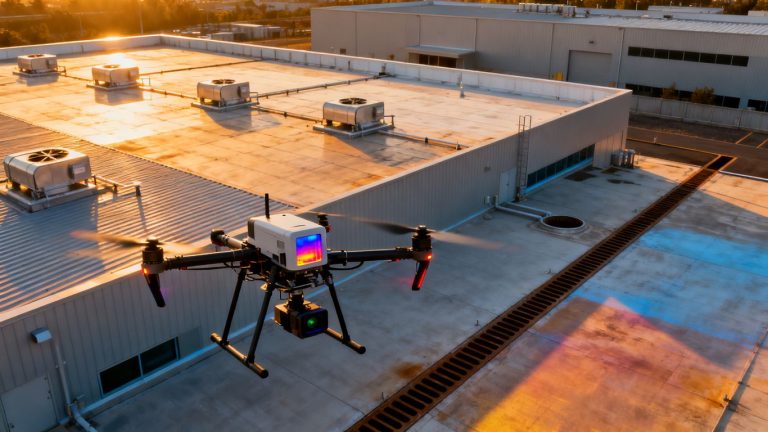
Think about it: drones can get to places that are tough or even dangerous for people to reach. They can fly up close to structures, check out hard-to-access areas, or even hover over unstable ground. Using cameras, including thermal ones, they can spot potential problems like loose materials, electrical issues, or even leaks before they become big hazards. This means we can identify risks from a safe distance and plan how to fix them without putting workers in harm’s way. It’s like having an extra set of eyes that aren’t afraid of heights or tight spots.
Automated Jobsite Surveillance
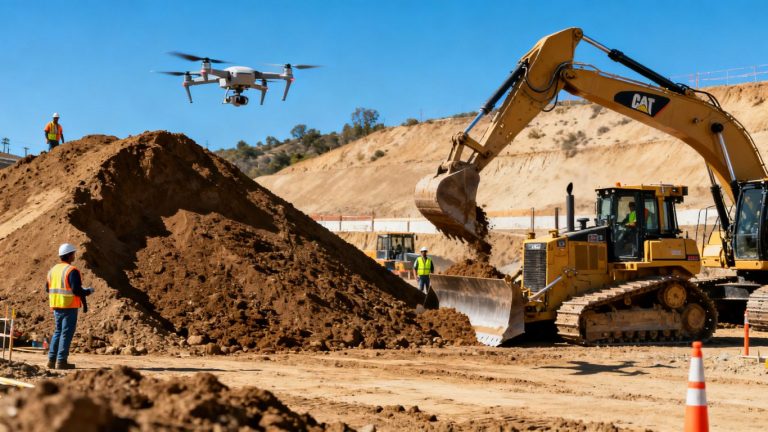
Keeping an eye on the whole site is a big job. Drones can help by doing regular flyovers, capturing footage and data that gets fed into the digital twin. This gives managers a clear, up-to-date picture of what’s happening everywhere. They can check if safety protocols are being followed, spot any unauthorized access, or notice if equipment is being used in a risky way. This constant monitoring helps catch potential safety violations early, allowing for quick corrections.
Minimizing On-Site Hazards
Ultimately, the goal is to reduce the chances of accidents. By using drones for inspections and surveillance, we cut down on the need for people to climb scaffolding, enter confined spaces, or walk across uneven terrain just to check something. This directly lowers the risk of falls, strains, or other injuries. Plus, the data from the digital twin can highlight areas that need extra safety precautions, like better lighting or more guardrails, making the entire site safer for everyone involved.
The ability to remotely assess conditions and monitor activities means fewer people are exposed to potential dangers, leading to a significant reduction in workplace incidents and a more secure construction environment.
Revolutionizing Asset Inspection and Maintenance with Drone Digital Twin Services for Construction
Real-Time Structural Health Monitoring
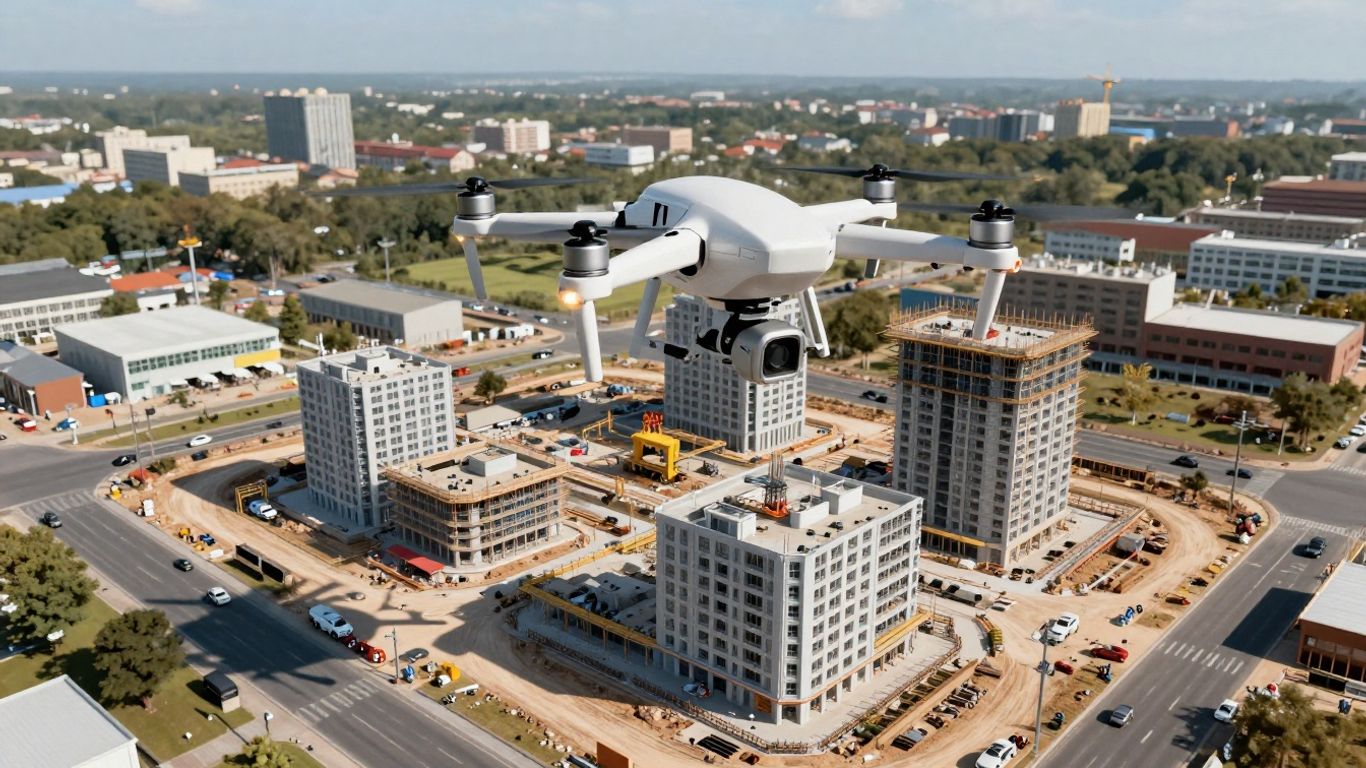
Keeping tabs on the health of a structure used to mean a lot of climbing around and hoping for the best. Now, with drone digital twins, we can get a super detailed look without anyone having to put themselves in a tricky spot. Drones fly around, taking tons of high-res photos and data. This info gets put together into a virtual copy, a digital twin, of the actual building or bridge. This virtual model lets us see exactly what’s going on, all the time. We can spot tiny cracks, corrosion, or any other wear and tear as it happens. It’s like having a constant check-up for your assets, making sure everything is sound.
- Continuous Data Capture: Drones can fly over regularly, gathering new data each time. This means we’re not just looking at a snapshot from months ago.
- Detailed Visuals: High-resolution cameras mean we can zoom in on specific areas and see even small defects.
- Remote Access: Inspectors and engineers can review the digital twin from their desks, saving time and travel costs.
This constant stream of information helps us understand how structures change over time, which is super important for planning long-term upkeep.
Proactive Issue Detection
Instead of waiting for a problem to become obvious (and expensive!), drone digital twins help us catch things early. Think of it like this: you get a notification on your phone if your car’s tire pressure is low, right? This is kind of like that, but for big buildings and infrastructure. The detailed digital models allow us to spot potential problems before they become major headaches. We can see if a bolt looks loose, if there’s water damage starting, or if a section of material is degrading. This means we can fix it when it’s a small, manageable issue, rather than a huge, costly repair job down the line.
- Early Warning System: Identify minor issues like hairline cracks or surface wear before they impact structural integrity.
- Predictive Maintenance: Use historical data from the digital twin to predict when certain components might need attention.
- Reduced Downtime: Addressing issues proactively means less unexpected closure or disruption of services.
Cost-Effective and Safer Inspections
Let’s be honest, sending people up scaffolding or into hard-to-reach places is risky and costs a lot. Drones change that. They can get into tight spots, fly high up, or hover over dangerous areas without putting a person in harm’s way. This not only makes the inspection process much safer but also cuts down on the expenses associated with safety gear, specialized equipment, and the time it takes to set everything up. Plus, the data collected is often more thorough than what a person could gather manually in the same amount of time. It’s a win-win for safety and the budget.
| Inspection Type | Traditional Method Cost | Drone Digital Twin Cost | Safety Risk | Time Taken (Est.) |
|---|---|---|---|---|
| High-rise Facade Check | $5,000 – $15,000 | $1,000 – $3,000 | High | 2-3 Days |
| Bridge Underside Scan | $8,000 – $20,000 | $2,000 – $5,000 | Very High | 3-5 Days |
| Industrial Tank | $6,000 – $12,000 | $1,500 – $4,000 | High | 1-2 Days |
Delivering Actionable Insights: The Data Advantage of Drone Digital Twin Services for Construction
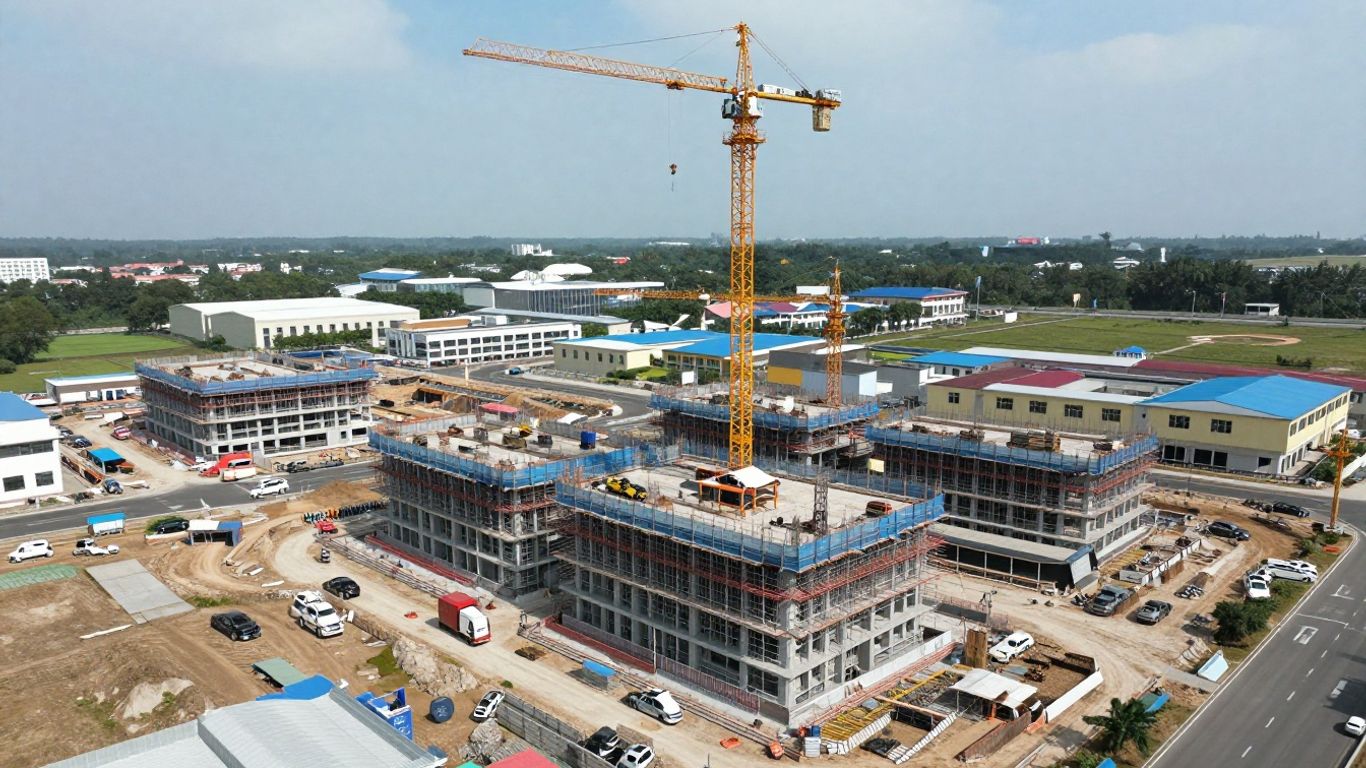
So, you’ve got these amazing digital twins created from drone data. What do you do with them? It’s not just about having a fancy 3D model; it’s about what you can do with that information. This is where the real magic happens, turning raw data into smart decisions that actually move your project forward.
Data-Driven Decision Making
Think about it. Instead of guessing or relying on outdated reports, you have a current, detailed snapshot of your entire site. This means you can spot potential problems before they become big headaches. For instance, you might notice a slight deviation in a structural element early on, allowing you to correct it without major disruption. This kind of proactive approach saves a ton of time and money.
- Spotting issues early: Catching deviations from the plan or structural anomalies when they’re small and easy to fix.
- Predicting needs: Understanding material usage or equipment wear to better plan future steps.
- Assessing progress accurately: Knowing exactly where the project stands against the timeline and budget.
The ability to see your project in such detail, from anywhere, changes how you manage risk and plan your next move. It’s like having a crystal ball, but it’s based on actual data from your site.
Seamless Integration with Construction Software
Having all this data is great, but it’s even better when it plays nicely with the other tools you’re already using. Modern drone digital twin services are built to connect with your existing construction software. This means the information flows smoothly, without you having to manually transfer files or re-enter data. Imagine your project management software automatically updating with the latest site progress, or your BIM model showing exactly what’s been built versus what was designed. This kind of integration makes everything more efficient. You can find more about how to connect different systems in our piece on custom software integrations.
Advanced Environmental Impact Assessments
Construction projects have an environmental footprint, and it’s becoming more important than ever to understand and manage it. Drone digital twins can help here too. By capturing detailed site information, you can get a clearer picture of the land, water, and existing structures before you even start. This allows for better planning to minimize disruption and track any environmental changes throughout the project. It’s about building smarter and more responsibly.
- Baseline data collection: Recording the site’s condition before construction begins.
- Monitoring changes: Tracking earth movement, vegetation impact, or water runoff during the project.
- Compliance reporting: Providing accurate data to meet environmental regulations.
This detailed data helps make sure your project is not only on time and on budget but also as kind to the environment as possible.
Improving Quality Control and Dispute Resolution Through Drone Digital Twin Services for Construction
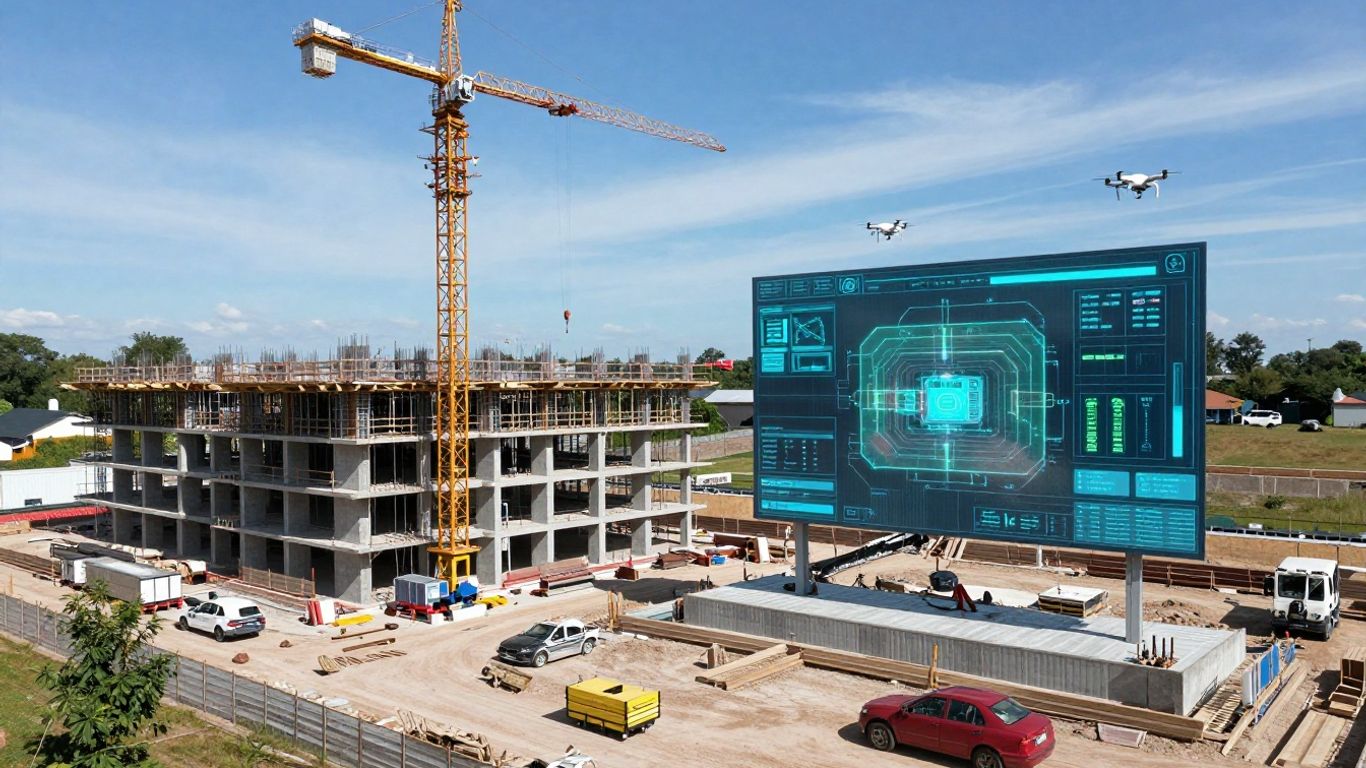
When you’re building something big, keeping an eye on quality and sorting out any disagreements can be a real headache. That’s where drone digital twin services really shine. They give you a super clear picture of what’s happening on site, making it way easier to catch problems early and have solid proof if arguments pop up.
Creating Accurate Project Documentation
Think of a drone digital twin as the ultimate project diary. Drones fly over the site regularly, capturing tons of photos and data. This information gets put together into a detailed 3D model – your digital twin. It’s like having a virtual copy of the entire project, exactly as it is at any given moment. This means you have a precise, time-stamped record of everything that’s been built, installed, or changed. No more relying on scattered notes or outdated blueprints.
- Exact visual records of progress.
- Detailed measurements and dimensions captured.
- A complete history of site conditions.
Having this level of accurate documentation means everyone’s on the same page, reducing misunderstandings before they even start.
Reducing Rework and Quality Issues
One of the biggest money drains in construction is having to redo work because it wasn’t done right the first time. Drone digital twins help you spot these issues way before they become big problems. Inspectors can look at the 3D model from their desks, comparing what’s built against the original plans. If something’s off – maybe a wall isn’t straight or a pipe is in the wrong spot – it gets flagged immediately. Catching these things early means you can fix them while it’s still easy and cheap to do so, saving a ton of time and cash.
Providing Clear Visual Evidence
Disagreements happen. Maybe a subcontractor says they finished a certain part of the job, but the main contractor disagrees. Or perhaps there’s a question about whether work was done to spec. Drone digital twins act like an impartial witness. The detailed, time-stamped imagery and the 3D model provide undeniable proof of what was done, when it was done, and how it was done. This kind of evidence can settle disputes quickly and fairly, often preventing costly legal battles. It’s a game-changer for accountability on site.
Transforming Resource and Equipment Management with Drone Digital Twin Services for Construction
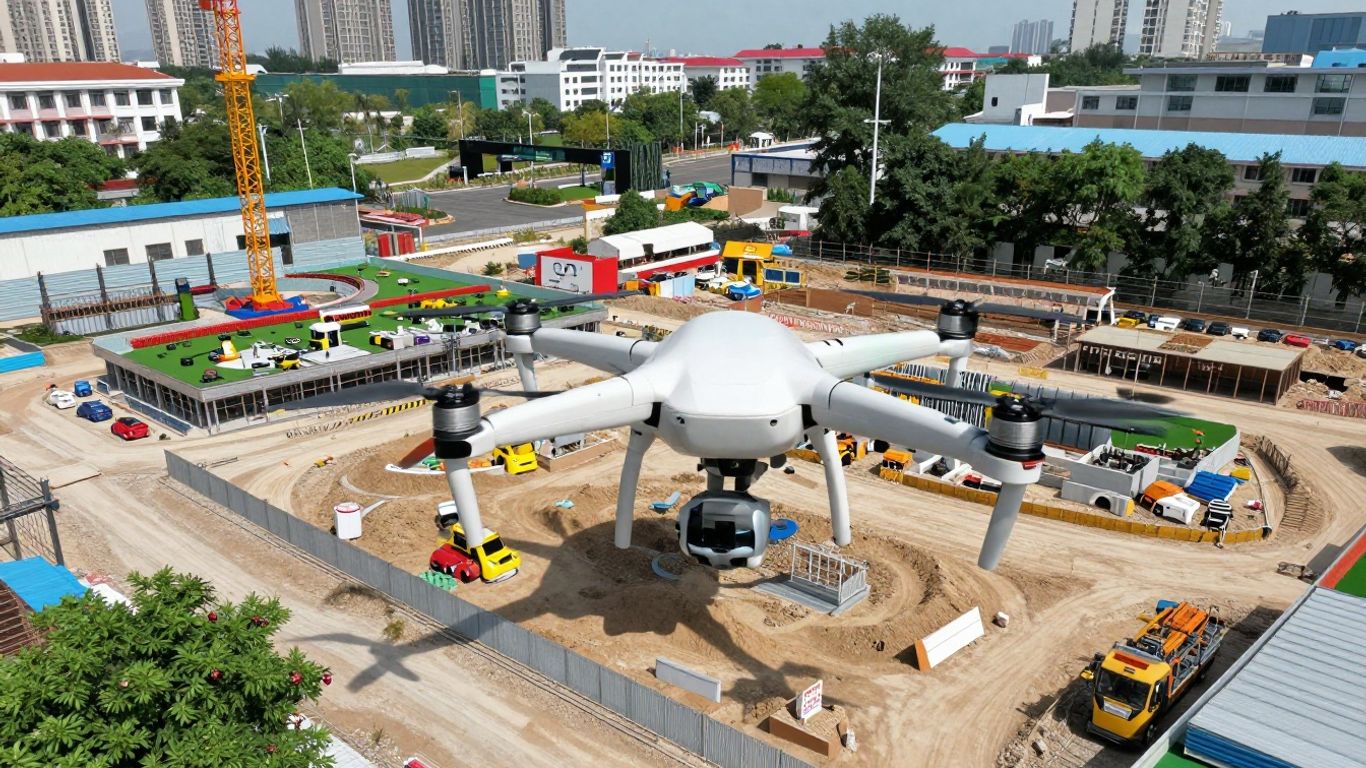
Keeping track of all the gear and materials on a big construction site can feel like a circus act. You’ve got excavators here, piles of rebar there, and don’t even get me started on the concrete. Drone digital twin services are changing the game by giving us a bird’s-eye view, literally, of everything on site. This means less time spent hunting for a misplaced tool and more time actually building.
Automating Material and Equipment Tracking
Forget manual logs and clipboards. Drones can fly over the site regularly, capturing data that gets fed into a digital twin. This virtual model shows exactly where everything is, from the biggest crane to the smallest box of screws. It’s like having a super-powered inventory system that updates itself.
- Real-time Location: Know the exact position of all heavy machinery and material stockpiles.
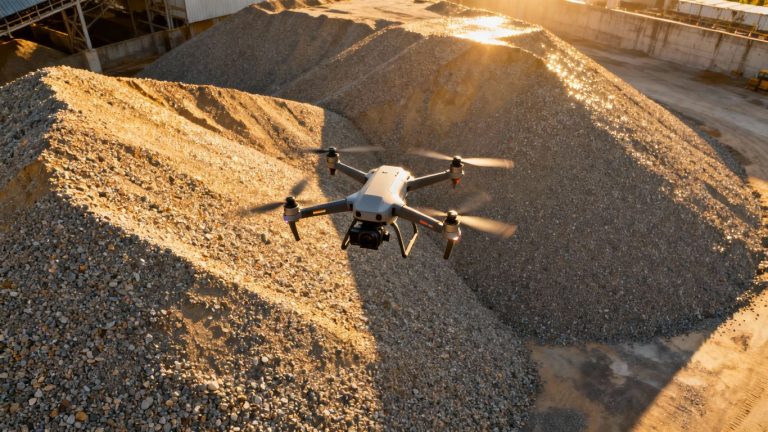
- Quantity Estimation: Get automated estimates of material volumes, like gravel or sand, directly from the digital twin.
- Usage Monitoring: Track how often equipment is being used and where, helping to spot idle assets.
This kind of oversight helps prevent theft and reduces the chances of ordering more supplies than you actually need. It’s all about having accurate information at your fingertips, which is a big deal when you’re trying to keep a project on schedule and within budget. You can get a clearer picture of your site’s status through platforms like Aeroyantra’s construction monitoring.
Enhancing Equipment Utilization
Ever wonder if you have too many machines sitting around, or if you’re using the right ones for the job? Drone digital twins can help answer that. By mapping out where equipment is and how it’s being used, project managers can see patterns they might otherwise miss. Maybe that bulldozer is only being used for an hour a day, but a smaller, more fuel-efficient machine could do the job just as well. This kind of analysis leads to smarter deployment of resources.
The ability to visualize equipment movement and idle times within the digital twin environment allows for dynamic reallocation. This means the right tools are in the right place at the right time, cutting down on unnecessary rentals and operational costs.
Streamlining Inventory and Supply Chain
Managing inventory on a construction site is a constant challenge. Drone digital twins provide a clear, up-to-date view of material storage areas. This makes it easier to see what you have, what you need, and when it’s expected to arrive. It connects the physical site with the digital supply chain, reducing delays caused by missing parts or materials. This level of detail is a game-changer for keeping the project flowing smoothly and avoiding costly hold-ups. Regular drone flights are revolutionizing construction equipment management by generating 3D site models for progress monitoring and digital twin integration.
Driving Competitive Edge: Integrating Drone Digital Twin Services with Construction Technology Ecosystems
So, you’ve got these amazing drone digital twin services, and they’re doing wonders for your projects. But are you really getting the most out of them? The real magic happens when you connect these services with the other tech you’re already using. It’s not just about flying a drone and getting a 3D model; it’s about making that model talk to everything else.
Building Information Model (BIM) Alignment
This is a big one. Your drone data needs to line up with your Building Information Model (BIM). Think of it like this: your BIM is the blueprint, and the drone data is the actual, real-time picture of what’s happening on site. When these two align, you can spot problems super early. Is a wall poured a bit off? Are pipes getting in the way of structural beams? Catching these issues when they’re small saves a ton of headaches and money down the line. Some companies have seen huge improvements in how they inspect sites, cutting down time significantly just by linking drone data with their BIM.
Custom Software Integrations
Okay, so off-the-shelf software is great, and it connects to the big names like Procore or Autodesk. But most construction companies have their own unique set of tools – old accounting systems, special project management software, maybe an ERP you’ve tweaked over the years. Standard connections often can’t bridge that gap. This is where custom software comes in. It’s like building a special bridge to connect your drone data to your specific, in-house systems. This tailored approach is what really sets a company apart. It means your drone data isn’t just sitting in a silo; it’s feeding into the systems you rely on every day.
Unified Data Platforms for Construction
What if you could have one central place where all your project data lives? Imagine pulling in information from your drones, your equipment trackers, your BIM files, your accounting software, and your scheduling tools. A unified data platform makes this possible. It’s about creating a single source of truth. This makes it way easier to make smart decisions because you’re looking at the full picture, not just bits and pieces. It helps manage everything from materials and equipment to environmental impact assessments, giving you a much clearer view of your entire operation. This kind of integrated system is key to staying ahead in the construction game, providing a solid foundation for asset management.
The real competitive advantage isn’t just having the technology; it’s how you make all your technologies work together. When drone data flows smoothly into your existing software ecosystem, you gain a level of insight and control that simply isn’t possible otherwise. It transforms raw data into actionable intelligence that drives efficiency and reduces risk across the entire project lifecycle.
Wrapping Up: Drones and Digital Twins Are Changing Construction
So, where does all this leave us? Drones and digital twin services are making a real difference in construction. They’re not just a fancy add-on anymore—they’re helping teams work faster, spot problems early, and keep projects on track. With drones, you can get a clear view of a site without ever setting foot on it. That means less time spent traveling, fewer surprises, and more informed decisions. Plus, the data you get is detailed and up-to-date, which makes planning and maintenance way easier. Sure, there are still things to figure out, like keeping data safe and following the rules, but the benefits are hard to ignore. As more companies start using these tools, it’s pretty clear that the future of construction is going to look a lot more digital—and a lot more efficient.
Frequently Asked Questions
What exactly is a digital twin made from drone data?
Think of it like a super-detailed, 3D copy of a building or construction site, but made using pictures and information gathered by a drone. It’s like a virtual model that looks and acts just like the real thing, letting you see everything from every angle without actually being there.
How do drones help plan construction projects better?
Drones give planners a really clear picture of the land and the project before building even starts. They can spot tricky spots, figure out the best way to build things, and make sure everyone knows what’s going on, which helps avoid surprises and delays later.
Can drones make construction sites safer?
Yes, definitely! Drones can fly into places that might be dangerous for people, like high-up areas or unstable spots. They can also keep an eye on the site regularly, acting like a watchful eye to catch any potential problems before they cause accidents.
How do drone digital twins help check on buildings and bridges?
Instead of climbing all over a structure, drones can fly around and take super close-up pictures. This helps people see if there are any cracks or weak spots in real-time. It’s a much faster and safer way to make sure everything is holding up well.
Does using drones mean less paperwork and fewer arguments on a construction site?
Absolutely. Drones create a detailed record of what’s been built and when. This clear evidence helps settle disagreements about work done and makes sure everyone is on the same page, reducing the chances of costly mistakes or arguments.
How do drones help manage materials and equipment on a job site?
Drones can quickly count how much material you have, like piles of gravel, and keep track of where equipment is. This helps make sure you have what you need when you need it and that machines aren’t sitting around unused, saving time and money.