Revolutionizing Utility Substation Thermal Inspection with Drones
It’s no secret that keeping our power grid running smoothly is a huge job. For years, utility companies have relied on methods like climbing towers or using helicopters for inspections, but let’s be honest, those ways are tough, risky, and cost a lot. Now, there’s a new player in town that’s changing everything: the utility substation thermal inspection drone. These flying gadgets are making it safer, quicker, and cheaper to check on our vital electrical infrastructure, spotting problems before they even become big issues.
Key Takeaways
- Thermal drone inspections use special cameras to see heat differences, helping find problems in electrical equipment that aren’t visible to the eye.
- Old methods like manual climbing or helicopter surveys are dangerous, expensive, and not as thorough as using a utility substation thermal inspection drone.
- Drones significantly boost safety by keeping workers out of hazardous areas and reduce costs and time spent on inspections.
- Key features for effective drone inspections include high-quality cameras, advanced thermal sensors, and smart flight planning software.
- While challenges like weather, battery life, and data management exist, they are manageable with proper planning and investment in utility substation thermal inspection drone technology.
Revolutionizing Utility Substation Thermal Inspection
The Basics: What Are Thermal Drone Inspections?
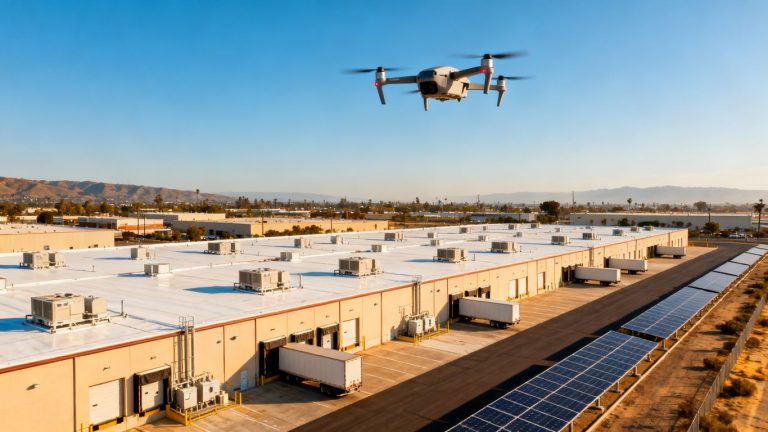
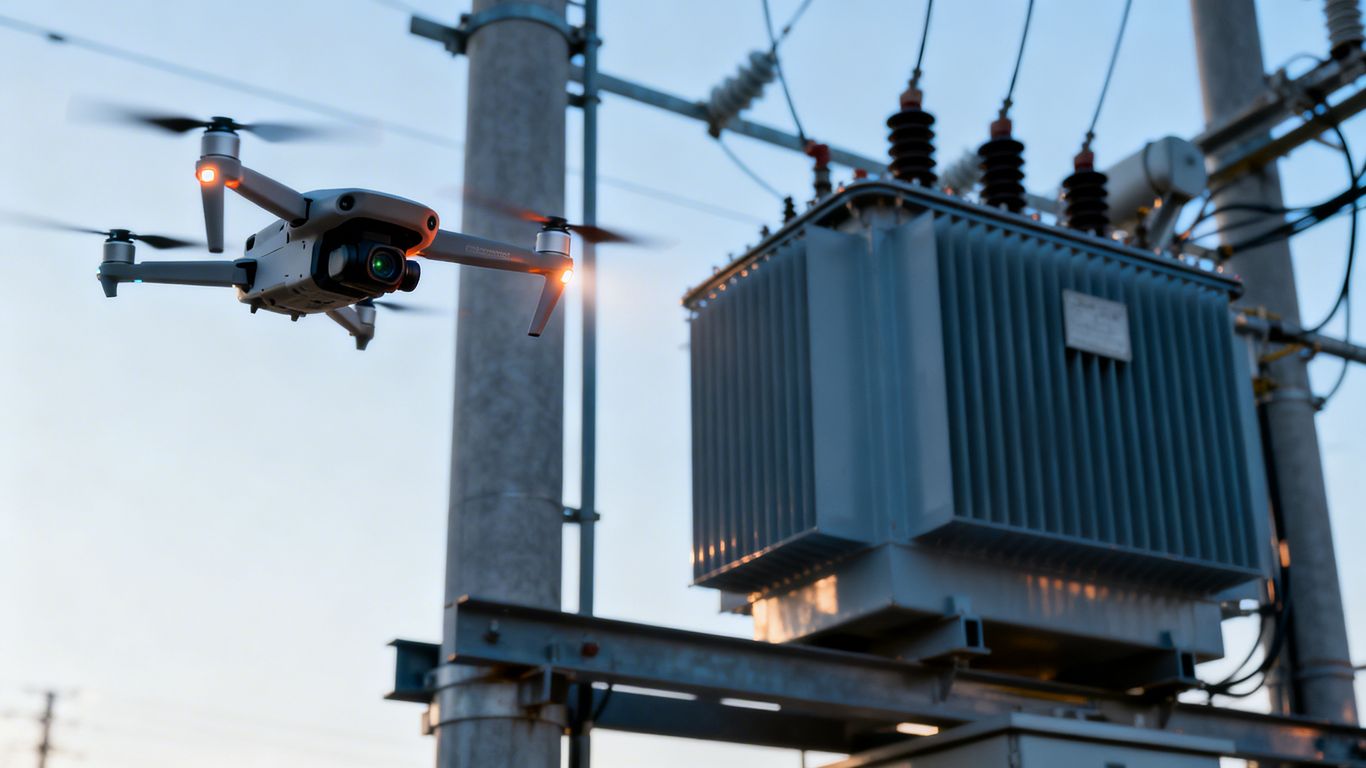
So, what exactly are we talking about when we say "thermal drone inspections" for utility substations? Basically, it’s using drones, those unmanned flying gadgets, that are kitted out with special cameras that can see heat. These drones fly around the substation, taking pictures of all the equipment, but instead of seeing regular light, they see infrared radiation – which is just heat. This lets us spot things that are running hotter than they should be, often before they become a big problem. Think of it like giving your inspection team a superpower to see heat signatures.
Why Traditional Inspection Methods Fall Short
Let’s be real, the old ways of checking out substations were kind of a pain. You had crews climbing up tall structures, sometimes in rough weather, which is just asking for trouble. Or, you’d see helicopters buzzing around, which are loud, expensive, and still don’t always get the close-up view you need. These methods are slow, costly, and frankly, pretty risky for the people doing the work.
Here’s a quick look at why the old ways just don’t cut it anymore:
- Safety: Climbing towers or working at heights is inherently dangerous.
- Cost: Helicopters and extensive manual labor add up fast.
- Time: Covering large areas takes a significant amount of time.
- Accessibility: Some equipment is just hard to get to safely.
The Thermal Advantage: Key Benefits
This is where thermal drones really shine. They offer a way to inspect equipment from a safe distance, spotting temperature anomalies that could signal trouble. This ability to detect heat issues early is a game-changer for preventing unexpected failures.
Here are some of the big wins:
- Early Problem Detection: Spotting hot spots on transformers, breakers, or connections before they fail completely. This means you can fix things before they cause an outage.
- Improved Safety: Crews stay on the ground, far away from high voltage and dangerous heights.
- Cost Savings: Less time, fewer personnel needed, and reduced risk of expensive emergency repairs.
- Better Data: Drones capture detailed thermal and visual data that can be reviewed and analyzed over time, helping with predictive maintenance.
The real magic is in seeing the invisible. Thermal imaging allows us to identify potential failures based on heat output, a critical indicator that often precedes visible damage or complete malfunction. This proactive approach is what truly revolutionizes substation maintenance.
Understanding The Technology Behind Thermal Drone Inspections
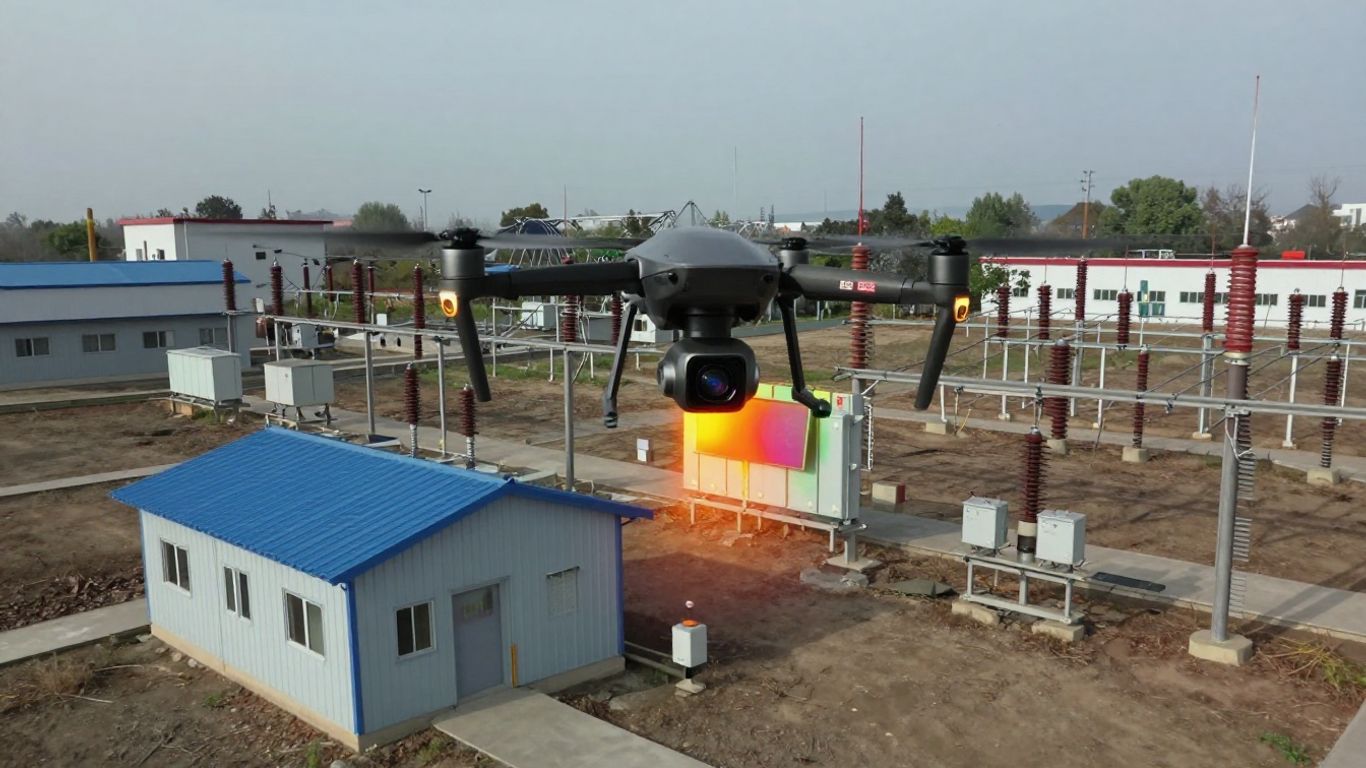
So, how exactly do these drones pull off their thermal magic? It all comes down to a couple of key pieces of tech working together: the thermal camera and the drone itself, plus the software that makes sense of it all.
Getting Technical: How Thermal Imaging Works
Think of thermal imaging like seeing the world through heat. Everything gives off infrared radiation, and the hotter something is, the more it gives off. A thermal camera is basically a special kind of eye that can see this radiation and turn it into a picture we can understand. Different colors on the screen show different temperatures. Usually, blues and purples mean cooler spots, while yellows, oranges, and reds indicate warmer areas. This ability to see heat is what lets us spot problems that aren’t visible to our regular eyes. For instance, a connection that’s starting to fail might get hotter than its surroundings before it actually breaks. This is super useful for spotting issues in electrical equipment before they cause a bigger problem.
The core idea is that many electrical faults show up as heat long before they become a visible issue. A loose connection, a corroded part, or an overloaded component will all start to run hotter than they should. Thermal cameras pick up on this excess heat, giving us an early warning.
Drone Hardware: What It Takes to Fly
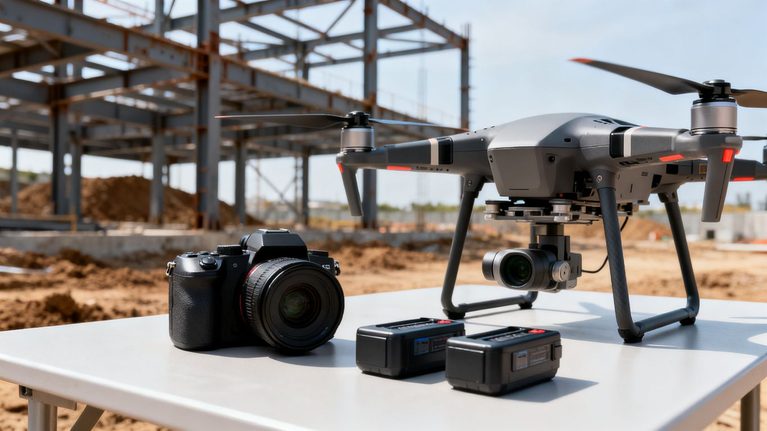
These aren’t your average weekend flyer drones. We’re talking about robust machines built for serious work. To do a good job, a thermal inspection drone needs a few things:
- A good thermal camera: This is the main event. It needs to be sensitive enough to pick up small temperature differences.
- A regular visual camera: This helps you see what you’re looking at alongside the heat map, and it’s great for documenting the overall condition.
- Precise GPS: For knowing exactly where each image was taken, which is vital for tracking issues over time.
- Obstacle avoidance: Because nobody wants a drone to crash into a tower.
- Decent flight time: You want to cover a lot of ground without constantly swapping batteries.
- Weather resistance: These drones often have to fly in less-than-perfect conditions.
Software Solutions: Making Sense of the Data
Just flying the drone and taking pictures isn’t the whole story. The real power comes from the software that processes all that data. Good software can:
- Stitch images together: Create big, detailed maps of the entire area you inspected.
- Spot anomalies: Automatically flag areas that are hotter or colder than they should be.
- Track changes: Compare current data with past inspections to see if a problem is getting worse.
- Generate reports: Make clear, easy-to-understand reports that show exactly where the issues are. This helps maintenance crews know where to focus their efforts. You can find some great tools for power line safety that integrate this kind of data analysis.
Real-World Impact of Utility Substation Thermal Inspection Drones
Utility companies are always trying to keep the lights on without any interruptions. It’s a big job, and frankly, the old ways of checking on equipment just don’t cut it anymore. Think about it: sending crews up tall towers in bad weather or relying on expensive helicopter flyovers. It’s risky, slow, and costs a ton of money. That’s where drones have really started to change the game for inspecting substations.
Maximizing Uptime and Preventing Downtime
Keeping the power flowing is the main goal, right? Downtime costs utilities a lot, not just in lost revenue but also in customer frustration. Traditional inspections, like those using bucket trucks or helicopters, are often slow and can miss subtle issues. Drones, however, can get a really close look at everything from a safe distance. They can spot tiny temperature differences that might signal a problem brewing in a transformer or a switchgear. Catching these issues early means you can fix them before they cause a major outage. It’s all about being proactive instead of reactive. This approach helps utilities meet important metrics like CAIDI and SAIDI, which basically measure how quickly they can get power back on after an outage.
Enhanced Safety and Reduced Risk for Crews
Let’s be honest, climbing utility poles or working near high-voltage equipment is dangerous work. Crews face risks like falls, electrical shocks, and exposure to harsh weather. Drones completely change this picture. By flying the inspection, the crew stays safely on the ground. This dramatically cuts down the chances of someone getting hurt on the job. It’s a huge win for worker safety and peace of mind for everyone involved. This is a big reason why companies are looking into drone inspection services.
Cost Efficiency and Time Savings Achieved
When you compare the costs, drones really shine. A traditional inspection of a single transmission tower might take days and cost thousands of dollars. A drone can do the same job in a single day for a fraction of that price. Over time, these savings add up significantly, freeing up budget for other important upgrades or maintenance. Plus, getting the inspection done faster means crews can move on to the next task much quicker, boosting overall productivity.
Here’s a quick look at how the costs can stack up:
| Inspection Method | Estimated Cost per Tower | Time Required |
|---|---|---|
| Manual Climbing | $5,000 | 2-3 Days |
| Helicopter | $10,000+ | 1 Day |
| Thermal Drone | $1,000 – $2,000 | < 1 Day |
The ability to conduct detailed thermal scans from a distance means that potential failures can be identified and addressed long before they escalate into costly and disruptive outages. This proactive approach is transforming how utilities manage their infrastructure.
These benefits aren’t just theoretical; they’re actively being realized by utilities. By adopting drone technology, companies are not only improving their operational efficiency but also creating a safer working environment and saving substantial amounts of money. It’s a clear win-win-win situation.
Key Features For Effective Drone Inspections
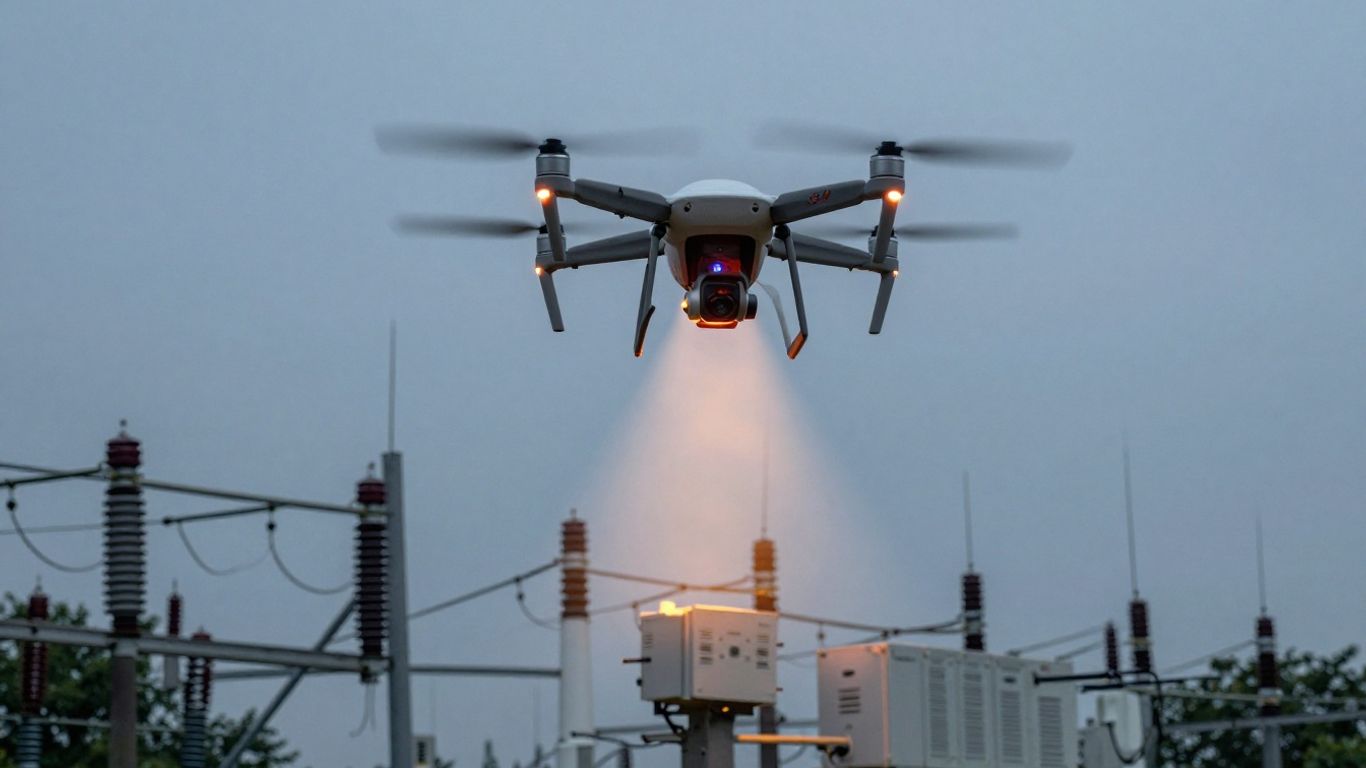
So, you’re looking at using drones for substation checks, which is smart. But not all drones are created equal, right? You need the right tools for the job. Think of it like trying to build a house – you wouldn’t use a butter knife to hammer nails. Here are the must-have features that make a drone actually useful for this kind of work.
High-Resolution RGB and Powerful Zoom Cameras
First off, you need to see what you’re looking at. A good drone will have a sharp, high-resolution RGB camera. This is for the regular visual stuff – spotting cracks, corrosion, or loose connections that aren’t necessarily showing up as heat issues yet. We’re talking 4K resolution or better, so you can zoom in on details without losing clarity. And speaking of zoom, a powerful optical zoom is a game-changer. It lets the drone get a close-up view of, say, an insulator or a connector from a safe distance. This ability to inspect critical components from afar is a huge safety win.
Advanced Thermal/Infrared Sensors
This is where the "thermal" part comes in. You need a drone with a solid thermal or infrared sensor. These sensors detect heat signatures, which is how you spot overheating equipment before it causes a problem. Look for sensors with good resolution, like 640×512, and radiometric capabilities. Radiometric means it can accurately measure the temperature of specific spots. This is key for identifying those dangerous hotspots that could lead to an outage.
Autonomous Flight Planning Capabilities
Manually flying a drone around a complex substation can be tricky and time-consuming. That’s where autonomous flight planning comes in. You can pre-program flight paths, telling the drone exactly where to go and what to look at. This ensures consistent coverage every time and frees up the operator to focus on monitoring the data. It’s like setting a GPS route for your inspection – the drone handles the flying, you handle the analysis.
- Pre-programmed routes: Ensures every part of the substation is checked systematically.
- Waypoint navigation: Allows for complex flight paths around obstacles.
- Repeatable missions: Makes comparing data over time much easier.
Relying on drones with advanced features means you’re not just getting pictures; you’re gathering precise, actionable data. This technology helps you move from reactive fixes to proactive maintenance, saving time and preventing costly failures down the line.
Navigating Challenges in Drone Implementation
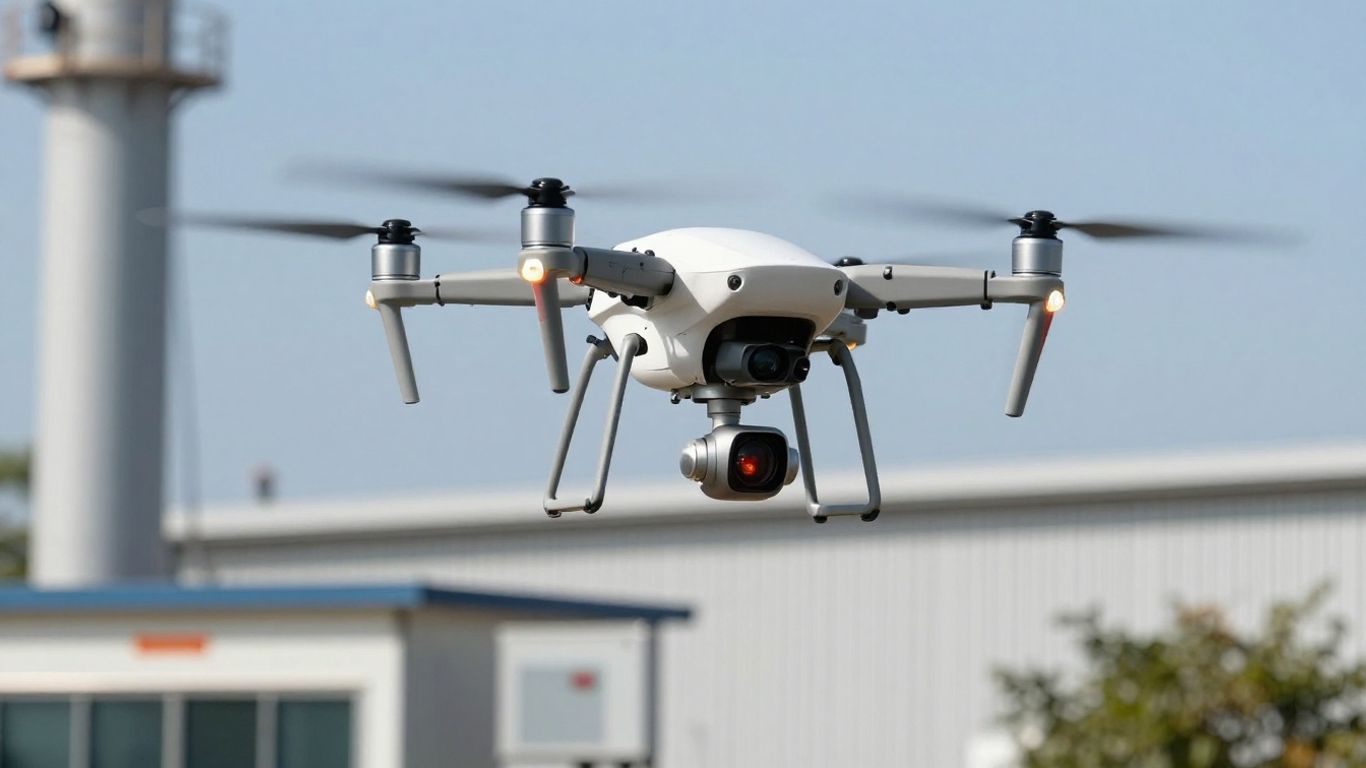
So, you’re thinking about bringing drones into your utility substation inspection routine. That’s awesome! But like anything new, it’s not always smooth sailing. There are a few bumps in the road you’ll want to be ready for. It’s important to go into this with your eyes wide open.
Addressing Weather and Battery Life Limitations
Let’s be real, drones aren’t exactly fans of bad weather. High winds, heavy rain, or even extreme cold can put a damper on your inspection schedule. This means you’ll need a solid backup plan for when the weather just won’t cooperate. Think about having alternative inspection methods ready or scheduling flexibility. And then there’s battery life. While it’s getting better, you can’t just fly all day on one charge. You’ll need to plan your flights carefully to cover the necessary areas and have a system for swapping or recharging batteries efficiently. This might mean investing in extra batteries or setting up charging stations at strategic points.
Understanding Regulatory Hurdles
Flying drones, especially around critical infrastructure like substations, comes with rules. The Federal Aviation Administration (FAA) has regulations you need to follow, and they can sometimes feel a bit complicated. Things like keeping the drone within your line of sight or getting permission to fly in certain airspace can add extra steps. It takes some effort to stay on top of these rules and make sure your operations are compliant. Getting familiar with FAA drone regulations is a good first step.
Managing Data Overload and Initial Investment
These drones capture a ton of information – high-resolution photos, thermal images, flight data. It’s great, but it can also be overwhelming. You need a good system for storing, organizing, and analyzing all that data. Without it, you might end up with a digital mountain of information that’s hard to sort through. Also, let’s not forget the upfront cost. Getting the right drones, sensors, and software, plus training your team, is an investment. It’s not just about buying the equipment; it’s about building a whole new workflow.
It’s easy to get excited about the technology, but the real success comes from planning how it fits into your existing operations and how you’ll handle the data it produces. Think of it as setting up a new department – you need the right tools, the right people, and the right processes.
Here are some things to consider:
- Pilot Projects: Start small with a single substation or a specific type of inspection to work out the kinks before a full rollout.
- Training: Make sure your pilots and data analysts get the proper training. This isn’t your average drone flying.
- Data Management Plan: Figure out how you’ll store, process, and analyze the data before you start collecting it.
- Contingency Planning: Always have a plan B for when weather or other issues disrupt your drone operations.
The Future of Grid Maintenance with Drones
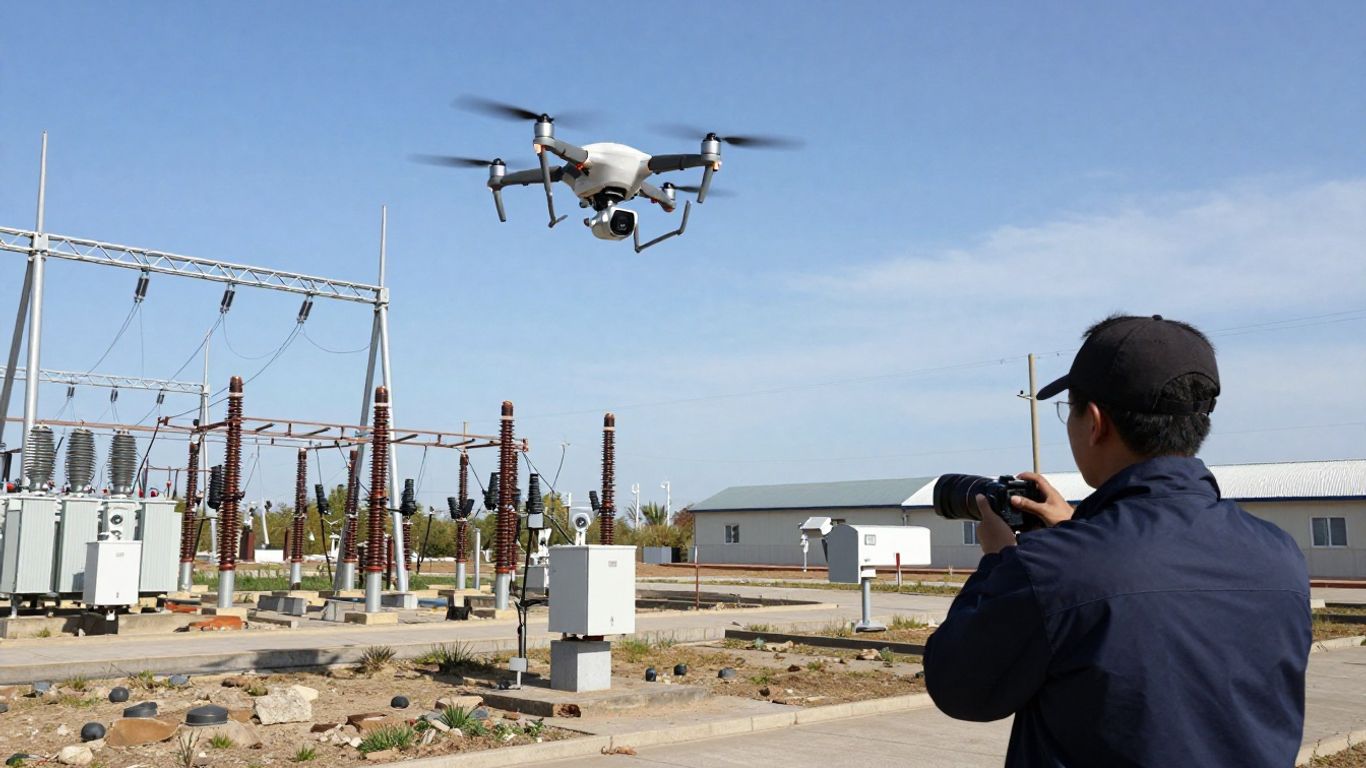
So, what’s next for keeping our power grids humming along with these flying helpers? It feels like we’re just getting started, honestly. The tech is moving fast, and it’s pretty exciting to think about where it’s all headed.
AI and Machine Learning Integration
This is a big one. Imagine drones that don’t just collect data, but actually start to figure things out on their own. AI and machine learning are getting really good at spotting problems in images. Soon, drones might be able to automatically flag a hot spot that looks like a failing component, or even predict when a piece of equipment might need attention before it actually breaks. This means less guesswork and faster responses. It’s like having an extra set of super-smart eyes on the grid, 24/7.
Improved Sensors and Longer Flight Times
We’re seeing constant upgrades to the cameras and sensors on these drones. Think higher resolution, better ability to see tiny temperature differences, and even new types of sensors that can detect things beyond just heat. Plus, battery technology is improving. This means drones can stay in the air longer, covering more ground on a single mission. For large utility areas, this is a game-changer, allowing for more thorough inspections without constant battery swaps. Dominion Energy is already looking into how these tools can modernize their asset inspection program. See how they’re improving grid reliability.
Beyond Visual Line of Sight Operations
Right now, drone operators usually have to keep the drone in sight. But that’s changing. As regulations catch up, we’ll likely see more ‘Beyond Visual Line of Sight’ (BVLOS) operations. This would allow drones to fly much further, covering vast, remote areas that are tough to reach with current methods. It opens up a whole new level of efficiency for inspecting long transmission lines or substations spread across large regions. It’s about making sure every part of the grid gets the attention it needs, no matter how far away it is.
The pace of innovation means that challenges like weather or battery life, which seem significant now, are being addressed with better technology and smarter planning. The goal is a more proactive, efficient, and safer way to maintain the infrastructure that powers our lives.
The Future is Flying High
So, we’ve talked a lot about how drones are changing the game for inspecting utility substations. It’s pretty clear that using these flying gadgets with thermal cameras is a much better way to go. They keep our workers safer by keeping them on the ground, save a ton of money compared to the old methods, and can spot problems way before they become big, expensive issues. Plus, they can get to places that are just too tough or risky for people. It’s not just about having cool tech; it’s about making our power grid more reliable and efficient for everyone. If you’re in the utility business and haven’t looked into this yet, now’s the time. This is where things are headed, and it’s already making a big difference.
Frequently Asked Questions
What exactly is a thermal drone inspection?
It’s like using a special flying camera that can see heat. Drones fly over power stations and take pictures that show hot spots on equipment. This helps find problems before they cause big issues, kind of like a doctor using an X-ray to see inside your body.
Why are drones better than the old ways of checking power stations?
The old ways meant people climbing tall towers in tough weather, which was risky and slow. Helicopters were expensive and noisy. Drones are much safer because people stay on the ground, they are faster, and they can get really close to see details without getting too near dangerous equipment.
How does the heat-seeing camera on the drone work?
Everything gives off heat, like a faint glow you can’t see. A thermal camera picks up this heat and turns it into a picture where different colors show different temperatures. Hotter things might show up as red or yellow, while cooler things are blue. This helps us spot equipment that’s working too hard or about to break.
What kind of problems can these drones find?
They’re great at finding things like loose connections, overloaded parts, or equipment that’s getting too hot. These are often hidden issues that you can’t see with just your eyes, but they can lead to power outages if not fixed.
Are there any downsides to using drones for inspections?
Sometimes bad weather like strong winds or heavy rain can stop the drones from flying. Their batteries also don’t last forever, so we need to plan the flights carefully. Also, learning to fly them and understand the heat pictures takes training, and the equipment can be a big initial cost.
What’s next for drone inspections in the power industry?
The technology is getting smarter all the time! Drones will likely use AI to automatically spot problems in the heat pictures. They’ll also be able to fly longer and farther, and maybe even work together in groups to cover huge areas even faster. It’s all about making the power grid more reliable and safer.