Revolutionizing Safety: The Power of Drone Inspection for High Voltage Power Lines
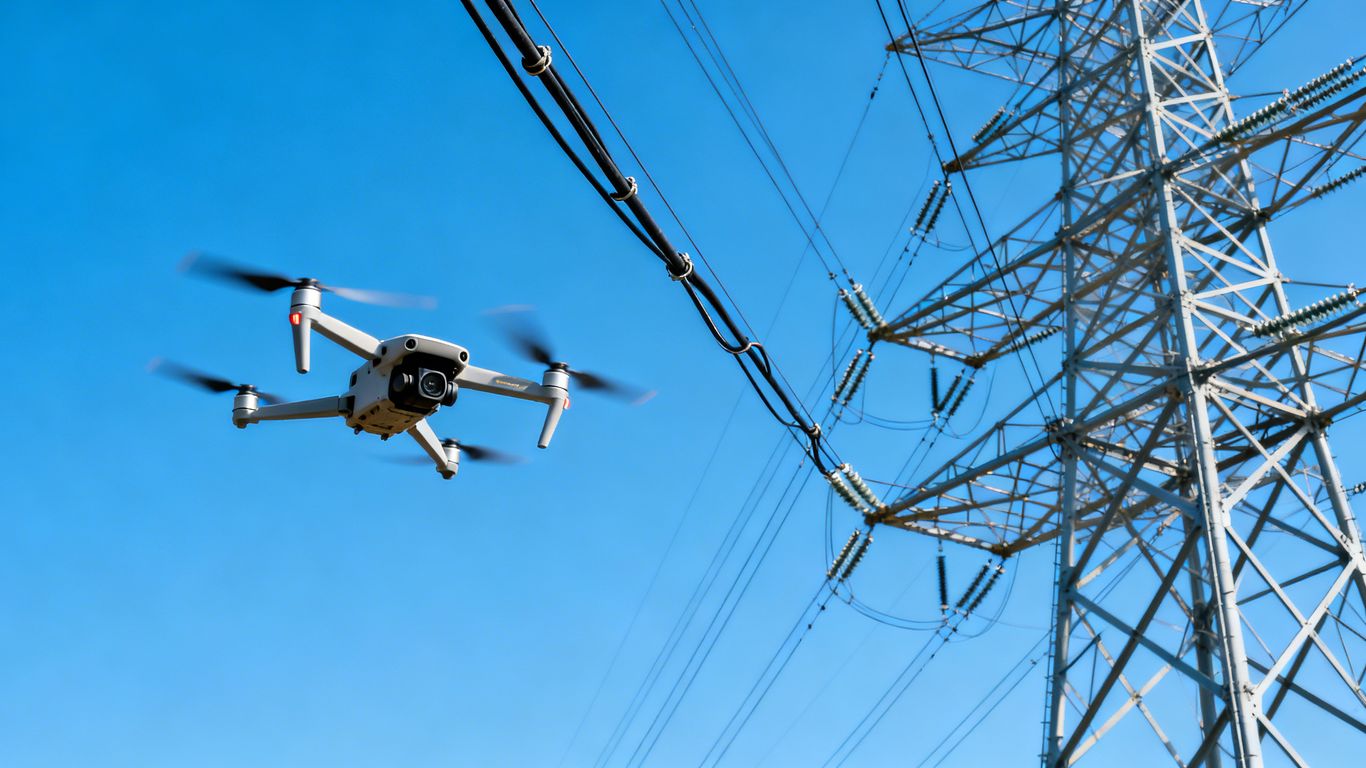
Keeping the lights on for everyone is a big job, and inspecting high voltage power lines has always been a tricky, often dangerous, part of that. For years, folks had to climb towers or fly in helicopters, which, let’s be honest, sounds pretty risky. But things are changing. We’re seeing a real shift towards using drone inspection for high voltage power lines, and it’s making a huge difference in how utilities do their work, making it safer and smarter.
Key Takeaways
- Drone inspection for high voltage power lines significantly boosts safety by keeping human inspectors on the ground, away from dangerous heights and electrical hazards.
- Drones can inspect power lines much faster than traditional methods, covering more ground quickly and allowing for more frequent checks.
- Using drones for inspections can lead to cost savings by reducing the need for helicopters and extensive manual labor.
- Advanced sensors on drones, like thermal cameras and LiDAR, provide detailed data that helps in spotting problems early and planning maintenance better.
- Drone technology is transforming utility operations, enabling quicker responses to emergencies and more efficient management of infrastructure like vegetation around power lines.
The Evolution of Power Line Safety
Limitations of Traditional Power Line Inspections
For decades, keeping the lights on meant relying on methods that, frankly, were pretty risky. Think about it: climbing massive towers in all sorts of weather, or flying helicopters really close to high-voltage lines. These jobs are dangerous. Electrical utility workers have a much higher chance of getting hurt or worse compared to many other jobs. It’s not just about the danger, though. These old ways are also slow and can be really expensive. Getting a good look at everything often meant taking parts of the system offline for a while, which nobody likes. Plus, sometimes you just couldn’t see the small stuff, like a tiny crack or a branch getting a little too close, until it was almost too late. This meant we were often playing catch-up with maintenance.
The Dawn of Drone Technology in Utilities
But things are changing, and fast. Drones are stepping in to help. What used to require a whole crew and a helicopter can now often be done by a single drone pilot, safely on the ground. This isn’t just about making things easier; it’s about getting better information. Drones can carry advanced cameras and sensors that see things humans might miss. They can fly closer, get more detailed pictures, and cover a lot more ground in less time. This shift means utilities can inspect their lines more often and with much greater detail than ever before. It’s a big step forward for keeping our power systems running smoothly and safely. We’re starting to see how this technology can really change how we manage our infrastructure, making it more reliable for everyone. You can find more about how these inspections are done at powerline inspections.
Enhancing Safety for Inspection Crews
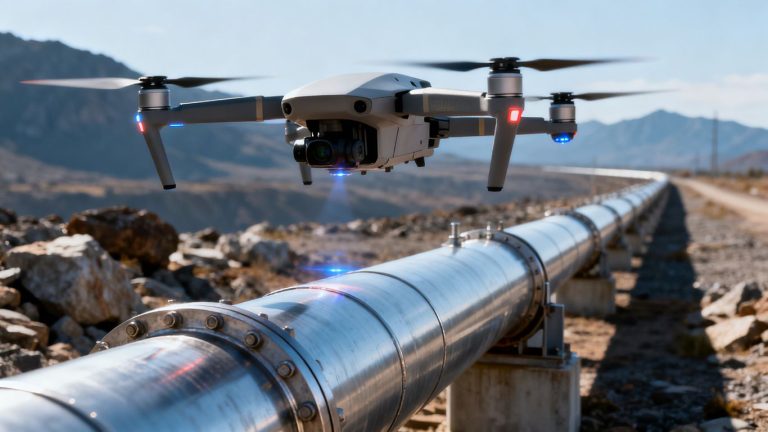
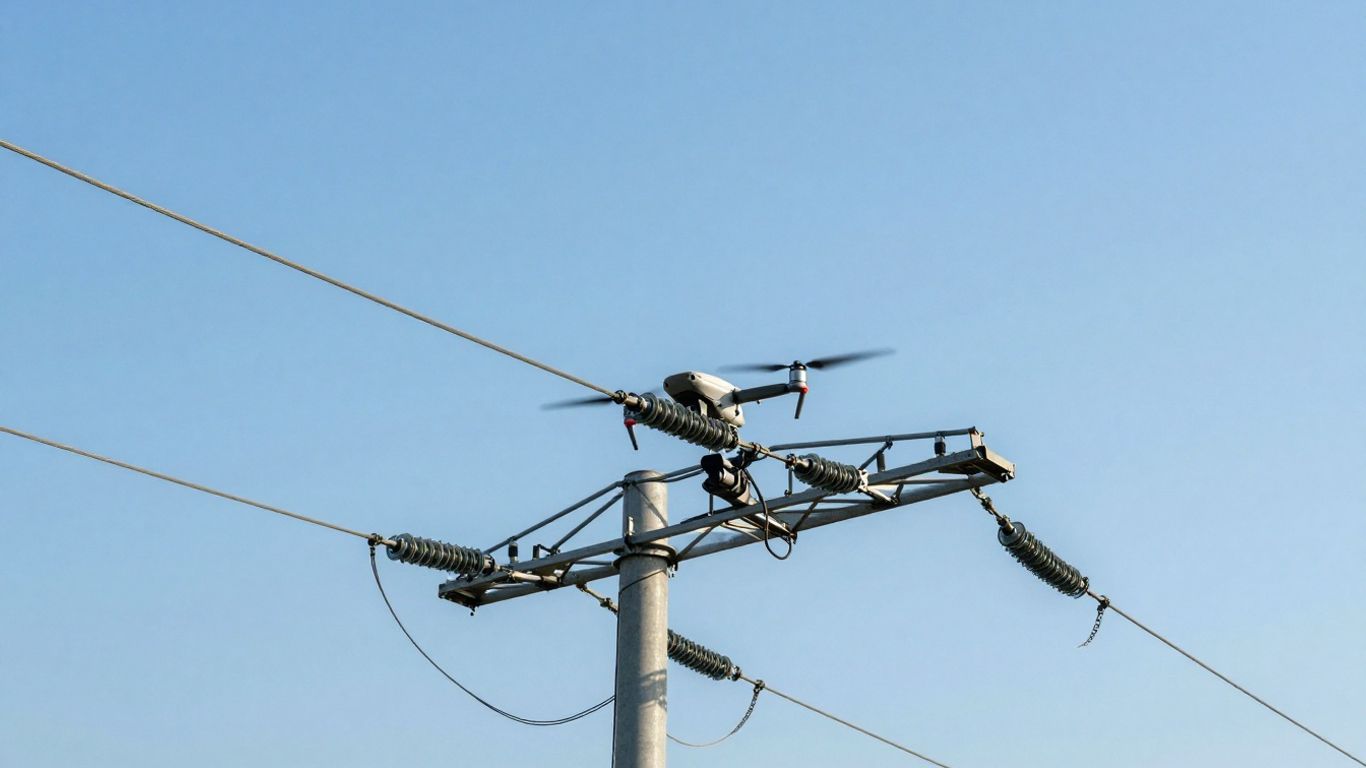
The biggest win with drones is safety. Instead of sending people up on towers or into helicopters, drones do the risky work. This dramatically cuts down the chances of accidents. Imagine not having to worry about falls or electrical hazards during routine checks. Drones can get incredibly close to the lines and equipment, capturing detailed images and data without putting anyone in harm’s way. This means inspection crews can focus on analyzing the data and planning repairs, rather than being exposed to danger. It’s a smarter, safer way to do a job that’s absolutely vital for keeping our communities powered.
Unlocking Efficiency with Drone Inspection
Increased Inspection Speed and Coverage
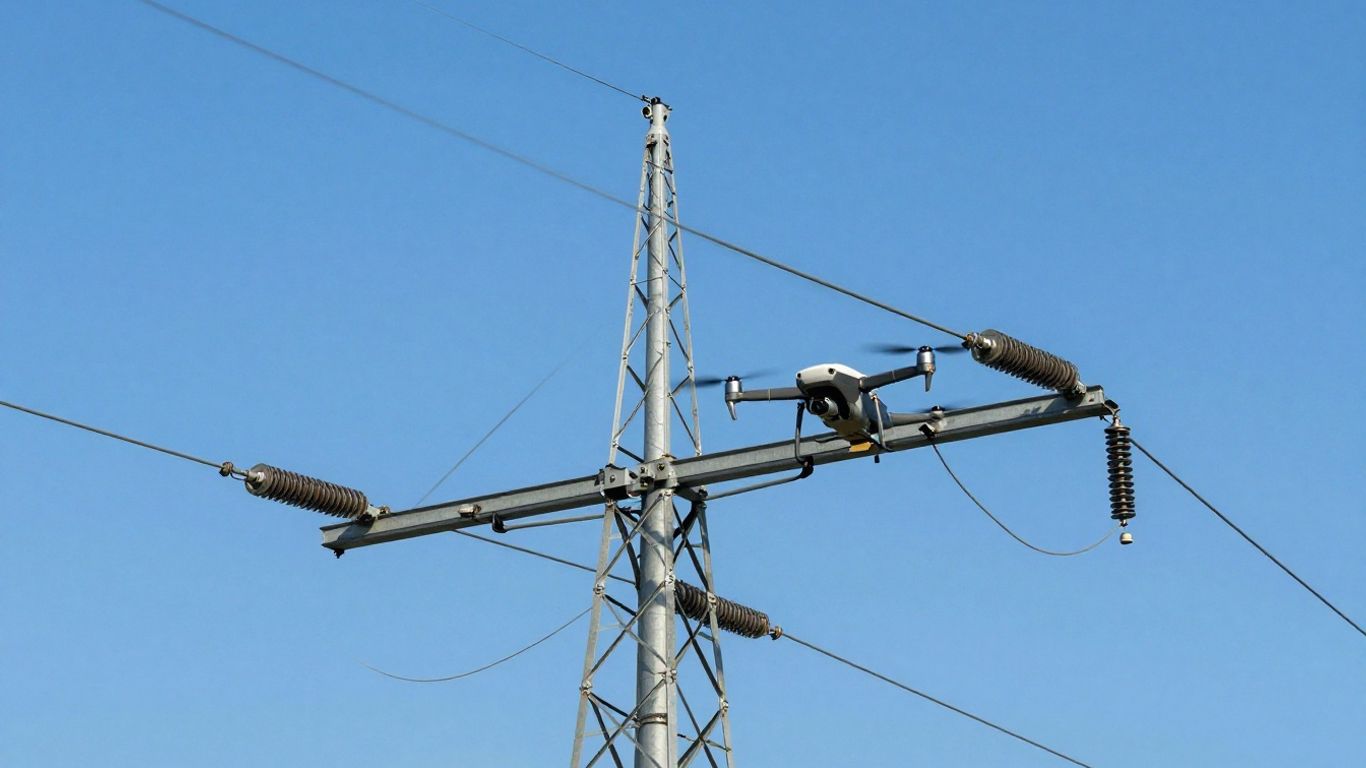
Think about how long it used to take to check miles and miles of power lines. Crews had to climb poles, or worse, use helicopters. Both are slow and expensive. Drones change all of that. They can cover huge areas much faster than traditional methods. A single drone flight can inspect miles of transmission lines in a fraction of the time. This means utilities can check their infrastructure more often, spotting problems before they get serious. This speed is a lifesaver when bad weather hits, too. Drones can quickly survey damage across large areas, helping get the power back on faster.
Streamlining Routine Maintenance
Routine checks are important, but they can be a real pain. Drones make these regular inspections way simpler. They capture data in a consistent way, so it’s easier to see how things are changing over time. High-quality cameras and special sensors give a really close look at components, catching details that might be missed from the ground or a helicopter. This consistent data helps track the condition of parts, so you know when something needs attention. It’s like having a super-detailed report card for your power lines.
Rapid Response During Emergencies
When something goes wrong, like after a big storm, speed is everything. Drones are perfect for this. They can get up in the air quickly to see what kind of damage has happened across a whole service area. This helps figure out where repair crews need to go first and how to get power back on as fast as possible. Instead of guessing, you have real-time information to make smart decisions during a crisis.
Superior Data for Smarter Decisions
The Power of High-Resolution Imaging
Forget grainy photos from a distance. Drones equipped with top-notch cameras can get incredibly close to power lines, capturing details you’d never see otherwise. We’re talking about spotting tiny cracks in insulators or noticing wear on the conductors themselves. This level of detail means we can catch problems way before they become big, expensive issues. It’s like having a super-powered magnifying glass for the entire grid. This technology is really changing how we look at infrastructure health.
Leveraging LiDAR for Precision Mapping
LiDAR is a game-changer for understanding the space around power lines. Think of it as creating a super-accurate 3D map of everything – the lines, the poles, and especially the trees. This helps us see exactly how close vegetation is getting to the lines, which is a major cause of outages. It also lets us measure things like tower alignment with amazing precision. This kind of detailed mapping is key for planning maintenance and avoiding hazards. You can find out more about how LiDAR works for power lines here.
Thermal Diagnostics for Anomaly Detection
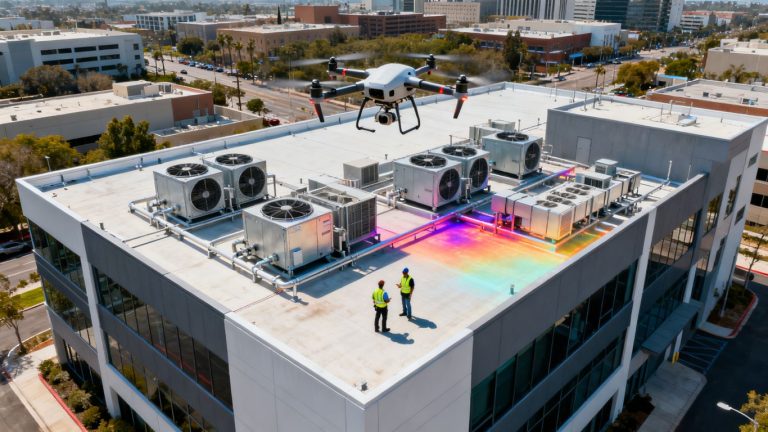
Sometimes, problems aren’t visible to the naked eye. That’s where thermal imaging comes in. Drones with thermal cameras can detect hot spots on equipment, which often signal an impending failure or a connection issue. It’s like a heat map for the power lines, pointing out exactly where the stress is. This allows for targeted repairs and helps prevent unexpected shutdowns. It’s a smart way to keep things running smoothly.
The real value isn’t just collecting data; it’s making that data useful. When you combine high-resolution photos, LiDAR scans, and thermal readings, you get a complete picture of the power line’s condition. This comprehensive view allows utility companies to move from just reacting to problems to actively preventing them. It’s about making informed choices based on solid evidence, which ultimately leads to a more reliable and safer power supply for everyone.
Here’s a quick look at what different sensors can reveal:
- Visual Cameras: Detect physical defects like cracks, corrosion, or loose hardware.
- LiDAR: Measure clearances, map vegetation encroachment, and identify structural alignment issues.
- Thermal Cameras: Identify overheating components, faulty connections, or internal defects.
This multi-faceted approach to data collection, often facilitated by drone inspection services, provides an unprecedented level of insight into the health of critical infrastructure.
Cost-Effectiveness of Drone Deployment
When you look at the numbers, switching to drone inspections for high-voltage power lines just makes sense. It’s not just about being fancy with new tech; it’s about saving a serious amount of money over time. Think about it: no more renting helicopters, which are incredibly expensive to operate, or having crews rappel down towers in risky conditions. Drones cut down on a lot of that overhead.
Reducing Reliance on Helicopters and Manual Labor
Helicopters are a huge expense. Fuel, pilot salaries, maintenance – it all adds up fast. Plus, they can’t always fly in certain weather conditions, causing delays. Manual inspections, while necessary sometimes, are slow and put workers in dangerous situations. Drones, on the other hand, can get the job done much quicker and from a safe distance. This means fewer hours billed for manual labor and a drastic cut in flight time costs. This shift directly translates into lower operational budgets.
Long-Term Savings Through Predictive Maintenance
One of the biggest wins with drones is their ability to spot small issues before they become big, expensive problems. By doing more frequent, detailed inspections, you can catch things like corrosion or loose connections early. This allows for planned maintenance, which is way cheaper than emergency repairs. Imagine fixing a small fray on a cable versus dealing with a massive outage and replacing a whole section of line. That’s the kind of saving we’re talking about. It’s about being proactive instead of reactive. The global drone inspection and maintenance market is already showing this trend, growing steadily as more utilities see the benefits [4c76].
Optimizing Resource Allocation
With drones, you can cover more ground faster. This means your inspection teams can focus on analyzing the data and planning repairs, rather than spending all their time just getting to the next tower. It frees up skilled personnel to do what they do best. You can also schedule inspections more flexibly, fitting them in when it’s most efficient, not just when the helicopter is available. This smarter use of resources means your budget goes further and your infrastructure stays in better shape.
Here’s a quick look at how costs can stack up:
| Cost Element | Drone Program (Estimate) | Traditional Methods (Estimate) |
|---|---|---|
| Equipment Purchase | $50,000 – $200,000 | $500,000 – $2,000,000 |
| Annual Operating Costs | $100,000 – $300,000 | $800,000 – $1,500,000 |
| Personnel Training | $20,000 – $50,000 | $50,000 – $100,000 |
| Insurance/Liability | $10,000 – $25,000 | $100,000 – $200,000 |
The initial investment in drone technology might seem significant, but when you break down the ongoing operational expenses and the potential for avoiding costly emergency repairs, the return on investment becomes clear very quickly. It’s a smart move for long-term financial health.
Ultimately, drone inspection services provide a really solid, cost-effective way to manage your power line infrastructure. It’s a practical approach that offers an in-depth analysis without breaking the bank [c3c8].
Key Applications in Power Line Management
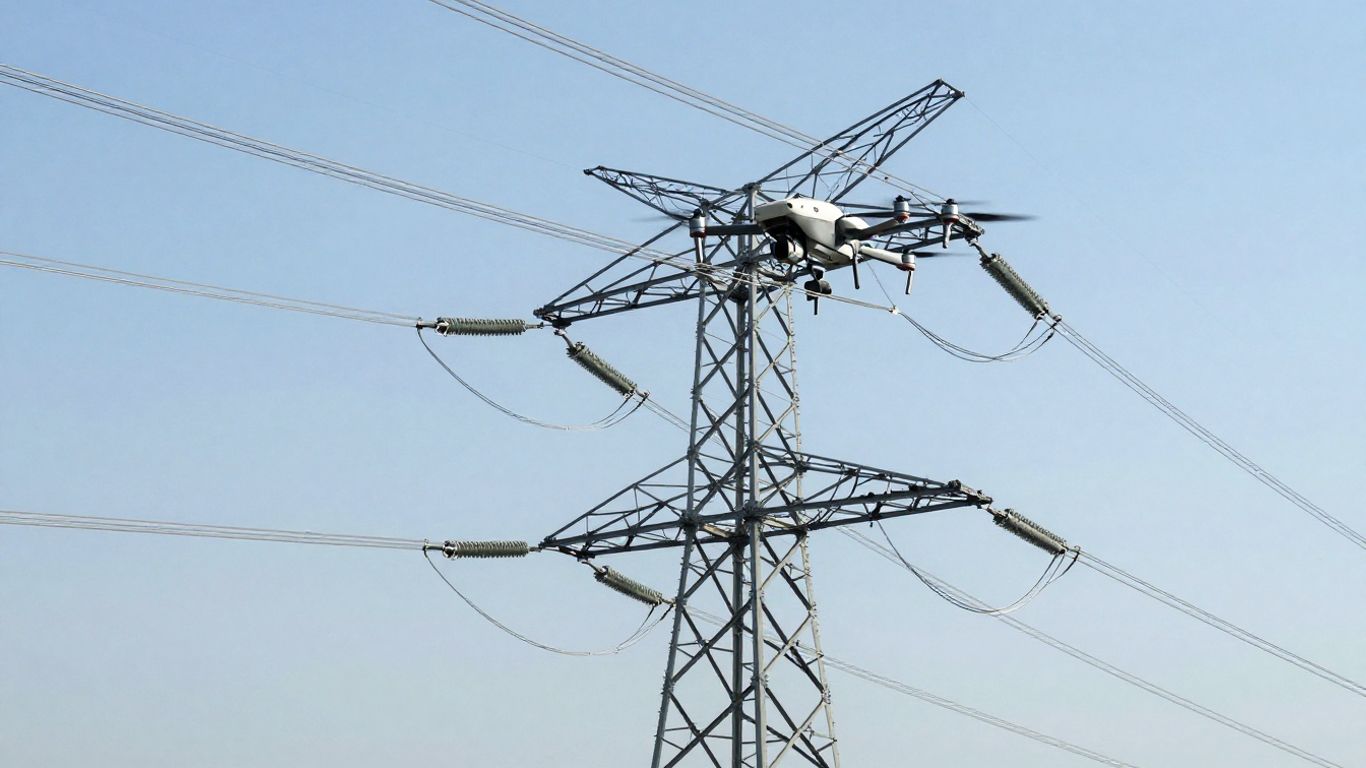
When we talk about managing power lines, drones really change the game. They’re not just for taking cool aerial shots; they’re becoming super important for keeping things running smoothly and safely.
Proactive Vegetation Management
One of the biggest headaches for power companies is trees and other plants getting too close to the lines. This can cause outages, and it’s a constant battle to keep things trimmed back. Drones equipped with special sensors, like LiDAR, can map out the area around the power lines with incredible detail. They can measure exactly how close the vegetation is to the conductors and even predict how much it will grow. This means crews can focus their efforts on the areas that actually need trimming, instead of just guessing or doing massive clear-outs. It’s way more efficient and saves a lot of money.
- Identify specific trees or branches that are too close.
- Measure the exact clearance distance.
- Predict future growth to schedule future work.
This kind of precise information helps prevent those annoying power outages caused by overgrown plants. It’s all about being smart and proactive instead of just reacting to problems.
Post-Maintenance Verification Checks
After crews have done some work on the lines, like fixing a damaged section or replacing equipment, you need to make sure everything is good to go. Sending people back up to check can be time-consuming and, frankly, a bit risky. Drones can fly in and get a really close look at the repairs. They can capture high-resolution images and videos, showing if connections are secure, if new parts are installed correctly, and if everything looks as it should. This speeds up the whole process and gives everyone peace of mind that the job was done right.
This verification step is critical for ensuring the long-term reliability of the repaired infrastructure and preventing repeat issues.
Assessing Infrastructure Condition
Beyond just vegetation and specific repairs, drones are fantastic for getting a general health check on the entire power line system. They can spot things that might be hard to see from the ground or even from a helicopter. Think about cracked insulators, corroded hardware, or signs of wear and tear on the towers themselves. Drones can get up close and personal, capturing detailed images that engineers can then analyze. This helps identify potential problems before they become major failures. It’s like giving the power lines a regular check-up to catch any developing issues early on. This kind of ongoing assessment is key to maintaining grid reliability.
The Future of Grid Maintenance
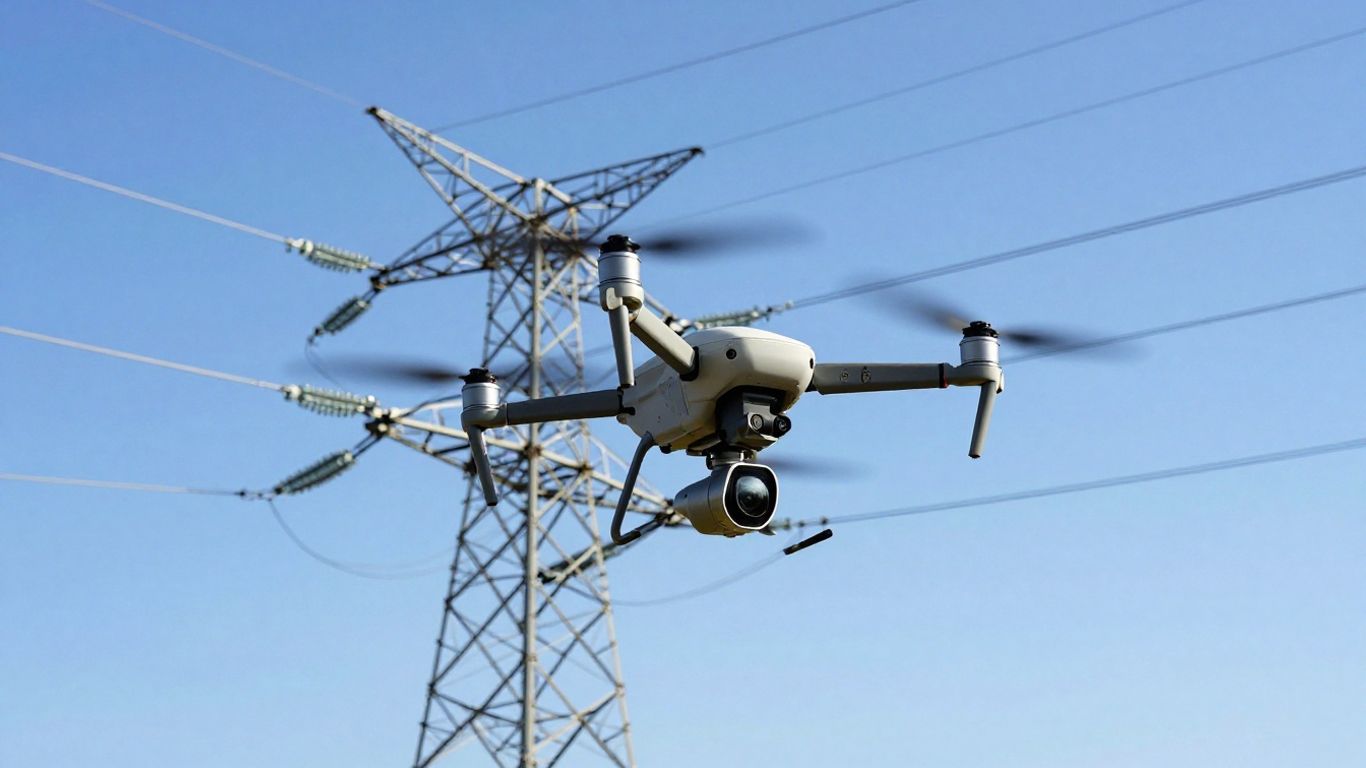
So, what’s next for keeping the power grid humming along? It’s pretty clear that drones are just the beginning. We’re looking at a future where inspections get even smarter and more automated.
Integrating Advanced Sensor Technologies
Think beyond just cameras. The next wave of drone inspections will involve a whole suite of advanced sensors. We’re talking about acoustic sensors that can pick up on tiny electrical issues before they become big problems, or gas detectors that can sniff out leaks in equipment. Plus, new imaging tech will be able to spot things that are totally invisible to the naked eye right now. The real game-changer will be putting multiple sensors on a single drone. This means we get a much more complete picture of the grid’s health all at once, without needing a whole fleet of specialized aircraft.
The Growing Role of Automation
This is where things get really interesting. AI and machine learning are going to take over a lot of the heavy lifting. Imagine software that can automatically flag a cracked insulator or a loose connection just by looking at the images. This speeds things up a ton and means fewer people have to spend hours staring at photos. We’ll also see more ‘digital twins’ – basically, a virtual copy of the entire power network. This digital model, fed by drone data, will be super useful for planning maintenance before anything actually breaks.
Driving Innovation in Utility Operations
Ultimately, all this new tech is about making the whole system work better. Drone data won’t just sit in a report; it’ll feed directly into the main grid management systems. This means if a drone spots a problem, the system can react almost instantly. It creates a loop where inspection results directly influence how the grid is run, making it more reliable and maintenance more efficient. Plus, all this data can be crunched with other operational info to predict and prevent issues down the line. It’s all about moving from fixing things when they break to stopping them from breaking in the first place.
Conclusion
So, that’s the big picture—drones are changing the way we look at high voltage power line inspections. Instead of sending people up towers or flying helicopters close to live wires, utilities can now get the job done from the ground, with better data and way less risk. It’s not just about saving money (though that’s a big plus), but about keeping workers safe and making sure problems get spotted before they turn into outages. The technology is still growing, but it’s already making a real difference for utility companies and the people who depend on them. As more companies get on board, drone inspections are set to become the new normal. Honestly, it’s hard to imagine going back to the old way after seeing how much safer and faster things can be. The future of power line maintenance looks a lot brighter—and a lot less risky—thanks to drones.
Frequently Asked Questions
Why are drones better for checking power lines than old methods?
Drones are much safer because workers can stay on the ground instead of climbing tall towers or flying in helicopters. They can also get better pictures and information, making it easier to spot problems early. Plus, drones are usually faster and cost less in the long run.
What kind of information can drones collect about power lines?
Drones can take super clear photos and videos. They also use special tools like thermal cameras to see if parts are getting too hot, and LiDAR (which uses lasers) to create detailed 3D maps. This helps find things like loose wires, damaged parts, or trees growing too close.
How do drones help save money for power companies?
By using drones, companies don’t need to pay for expensive helicopters or have as many people doing dangerous climbing jobs. They can also find problems early, which prevents bigger, more costly repairs and power outages later on. This means less money spent on fixing emergencies.
Can drones help when there’s a storm or other emergency?
Yes! After bad weather, drones can quickly fly over large areas to see what damage has happened. This helps power companies figure out where to send repair crews first and get the electricity back on faster for everyone.
What is LiDAR and why is it important for power line checks?
LiDAR is a technology that uses lasers to measure distances and create very accurate 3D pictures of the area. For power lines, it’s great because it can see through trees and bushes to check how close the branches are to the wires. It helps spot potential dangers that regular cameras might miss.
How often do power lines need to be checked using drones?
Power lines should be checked regularly. Drones make it easier to check them more often than before. Depending on the type of line and where it is, checks might happen every year or even more frequently, especially if there’s a lot of tree growth or after bad weather.