Revolutionizing Safety: Advanced Aerial Leak Detection for Industrial Pipelines
Pipelines are super important for moving stuff like oil and gas around, but leaks are a big headache. They can cause all sorts of problems, from messing up the environment to costing a ton of money. For a long time, checking these pipelines meant a lot of manual work, which wasn’t always the best or safest way to do things. Now, though, we’ve got some pretty cool new tech that’s changing the game for aerial leak detection for industrial pipelines.
Key Takeaways
- Using drones for aerial leak detection for industrial pipelines makes inspections safer by keeping people out of dangerous spots.
- Drones can cover a lot of ground fast, making inspections way quicker and more efficient than old methods.
- Special cameras, like thermal ones, can spot gas leaks that you can’t even see with your eyes.
- Laser sensors can precisely find methane leaks from a good distance away.
- This new technology helps companies follow rules, keep better track of their equipment, and be kinder to the planet.
The Critical Need For Advanced Pipeline Monitoring
Why Rapid Detection Is Crucial For Industrial Pipelines
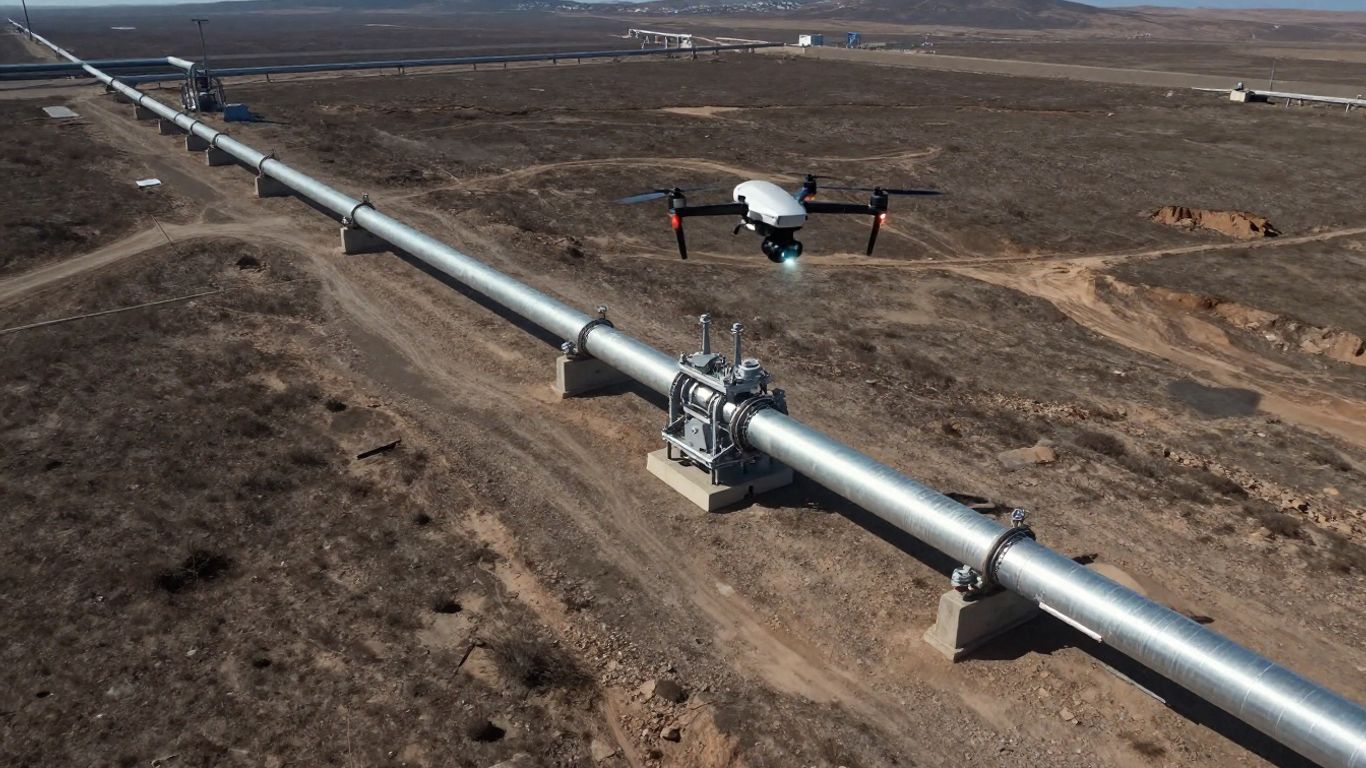
Look, pipelines are basically the arteries of our industrial world, moving everything from oil and gas to water. When they spring a leak, it’s not just a drip, drip, drip situation. We’re talking about potential environmental disasters, huge financial losses, and serious safety risks for everyone involved. The faster we can find and fix these leaks, the better off we all are. Think about it: a small gas leak can quickly become a major fire hazard, and an oil spill can devastate ecosystems for years. It’s a big deal.
The Environmental And Financial Stakes Of Pipeline Leaks
When a pipeline fails, the consequences can be pretty rough. Environmentally, you’re looking at contamination of soil and water, which can take ages to clean up and cause long-term damage. Financially, the costs pile up fast. There’s the lost product itself, the expense of cleanup operations, potential fines from regulatory bodies, and the damage to a company’s reputation. Sometimes, these incidents can cost millions, even billions, to resolve. It’s a situation nobody wants to be in, and it highlights why keeping these systems in good shape is so important. We need better ways to keep an eye on things.
Addressing The Shortcomings Of Traditional Inspection Methods
For a long time, checking pipelines meant boots on the ground, literally. Inspectors would walk or drive along the pipeline route, looking for obvious signs of trouble. Sometimes, helicopters were used for a broader view. While these methods have their place, they’re often slow, labor-intensive, and can miss smaller issues. Imagine trying to inspect thousands of miles of pipe in remote or difficult terrain – it’s a massive undertaking. Plus, sending people into potentially hazardous areas just to look for problems isn’t exactly ideal for safety. It’s like trying to find a needle in a haystack, and sometimes the needle is actively trying to hurt you. We really needed a smarter approach, something that could cover more ground, more quickly, and with less risk. This is where new technologies come into play, offering a more effective way to monitor pipeline integrity.
The old ways of checking pipelines just don’t cut it anymore. They’re slow, expensive, and frankly, not very safe. We need tools that can give us a clear picture without putting people in harm’s way or waiting for a disaster to happen.
Revolutionary Technologies In Aerial Leak Detection
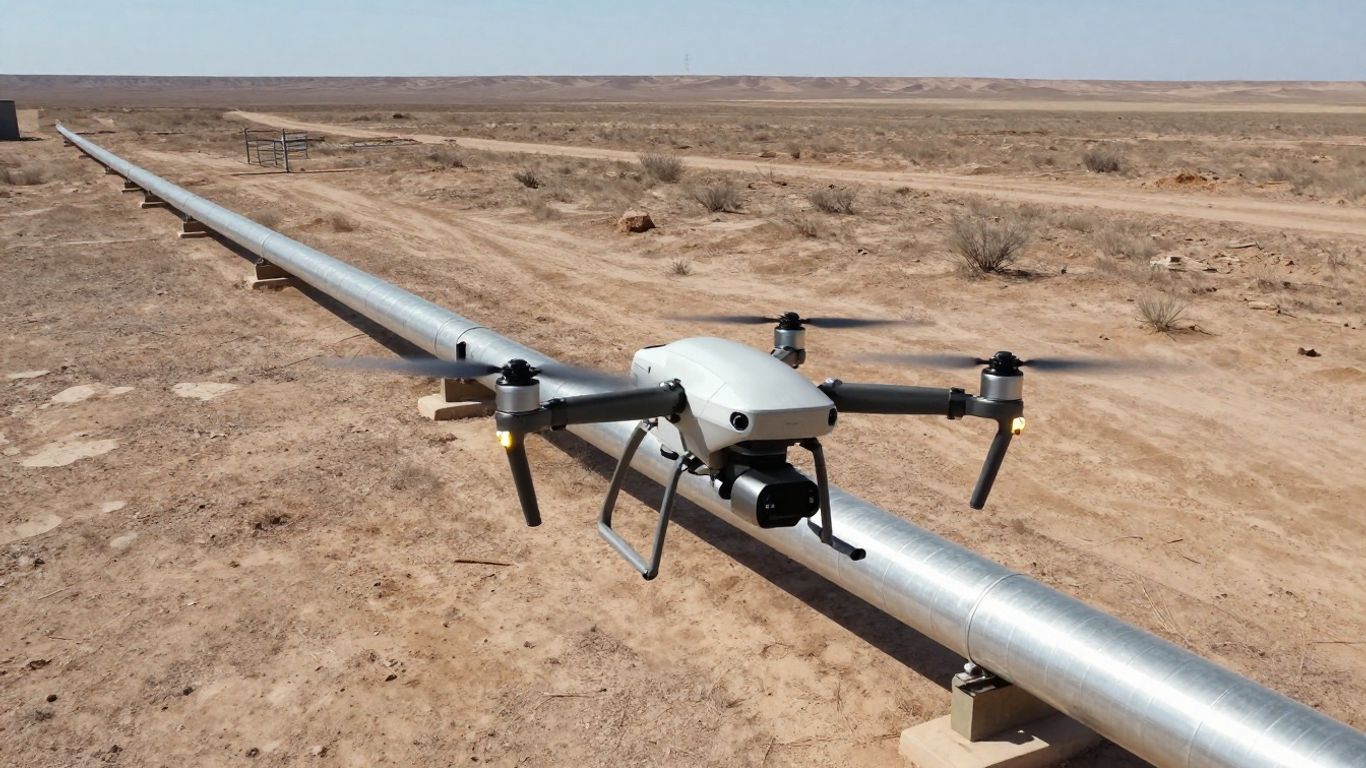
So, how are we actually spotting these leaks from the sky? It’s not magic, it’s some pretty cool tech. Drones, for starters, have totally changed the game. They’re not just flying cameras anymore; they’re kitted out with specialized gear that can sniff out trouble.
How Drones Enhance Leak Detection Capabilities
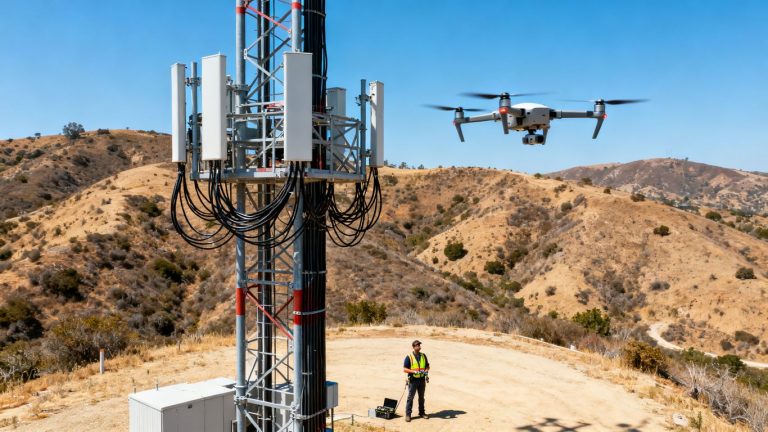
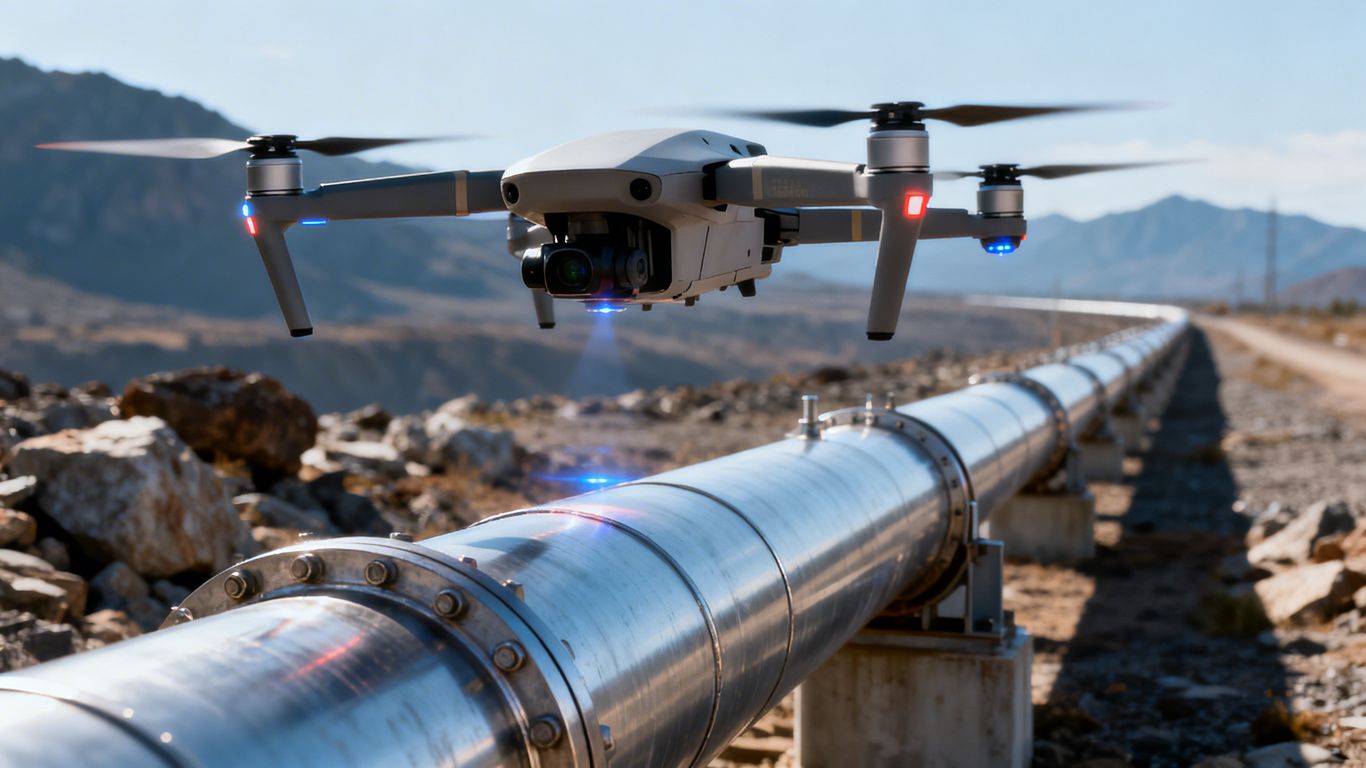
Think about covering miles and miles of pipeline. Doing that on foot or even with a helicopter is slow and, frankly, a bit risky. Drones zip around way faster, getting to places that are hard to reach on the ground. They can fly over rough terrain or busy industrial sites without putting people in harm’s way. Plus, they can carry different kinds of sensors, making them super versatile for checking out pipelines. It’s like having a whole inspection crew in one small, flying package. This advanced drone technology is making a big difference.
The Power Of Thermal Imaging For Gas Detection
One of the most impressive tools is thermal imaging, often called Optical Gas Imaging (OGI). Basically, these cameras see heat. When gas leaks out, it can change the temperature of the pipe and the surrounding air. The thermal camera picks up on these tiny temperature shifts, making the invisible gas plume look like a smoky cloud on the screen. This lets operators spot leaks from a safe distance, often without even stopping operations. It’s a huge step up from older methods where you had to get right up close to a potential leak.
Laser-Based Sensors For Precise Methane Monitoring
Then there are laser-based sensors. These work a bit like radar but with light. They shoot a laser beam down towards the pipeline and analyze the light that bounces back. By looking at how the laser light changes, these sensors can detect specific gas molecules, like methane. Some of these systems can spot leaks from pretty far away, even up to 100 meters or more. They give you real-time data, telling you not just that there’s a leak, but also how much gas is escaping and exactly where it’s coming from. This means you can fix the problem much faster.
The combination of drones with these advanced sensors means we can survey large areas quickly and accurately, identifying leaks that might have been missed before. It’s about making inspections safer, faster, and more effective.
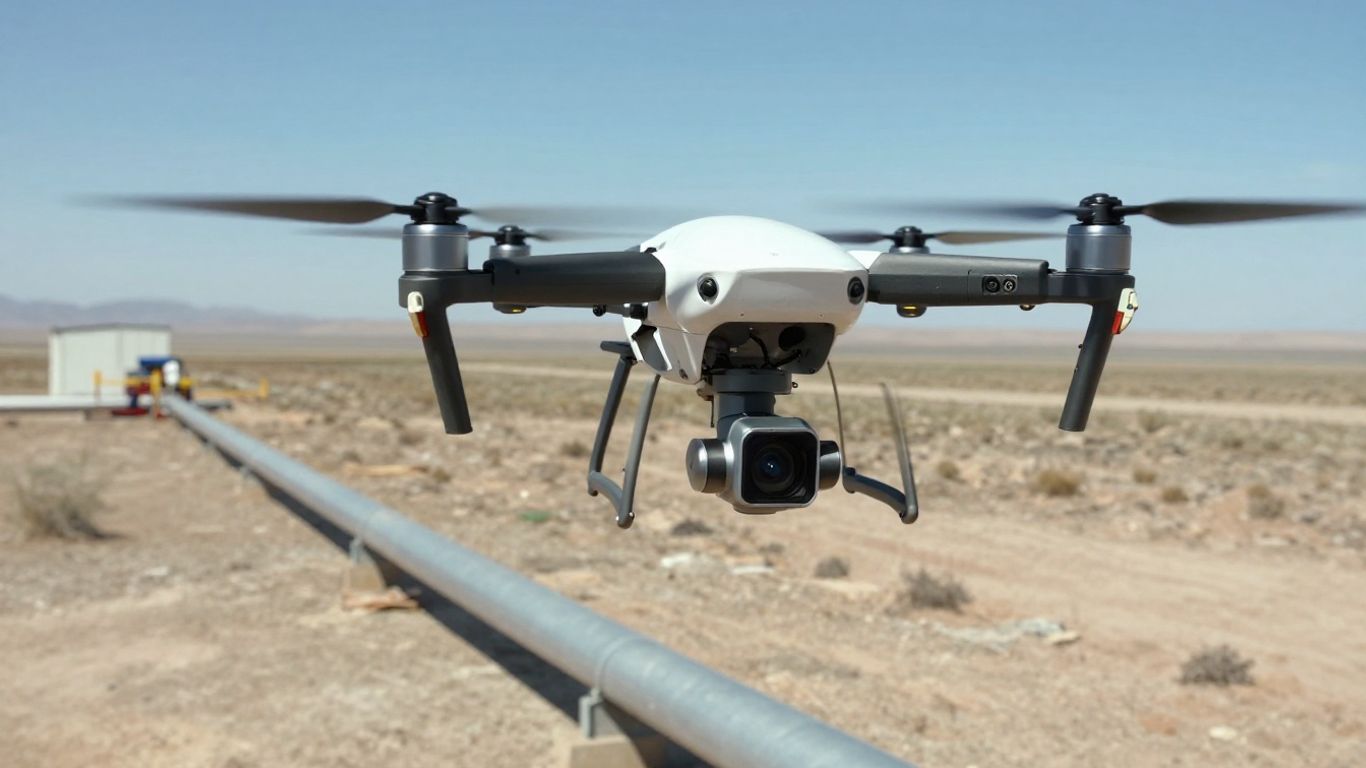
It’s also common to see drones equipped with a mix of sensors. You might have a high-resolution camera for visual checks, a thermal camera for gas, and maybe even LiDAR for mapping. This multi-sensor approach gives a really complete picture, helping to spot not just leaks but also things like corrosion or damage to the pipeline itself. This kind of detailed data is what helps with planning and informational purposes and keeps things running smoothly.
Operational Advantages Of Drone-Based Inspections
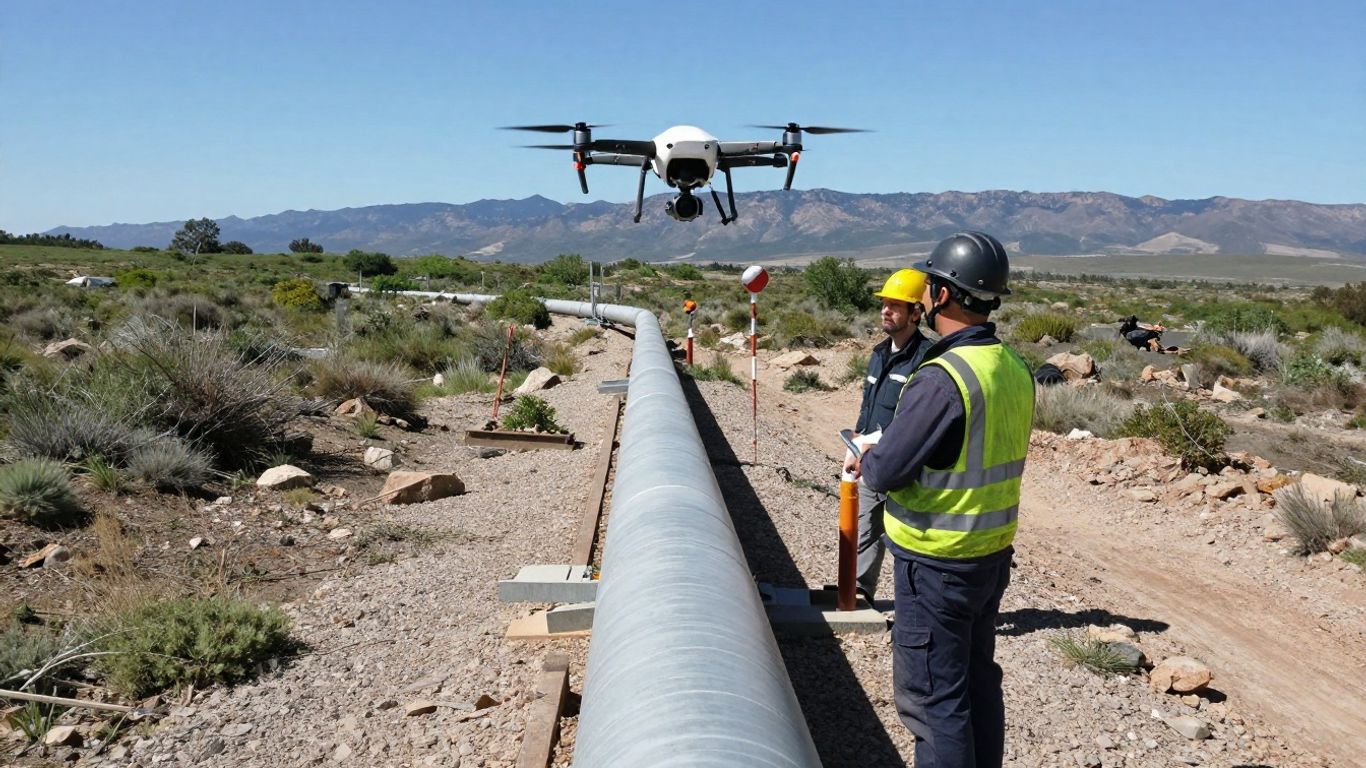
When we talk about checking pipelines, especially for leaks, the old ways could be a real pain. Think about sending people out to walk miles of pipe or using helicopters – it’s slow, expensive, and frankly, not the safest thing to do. Drones change the game entirely.
Boosting Safety By Minimizing Human Exposure
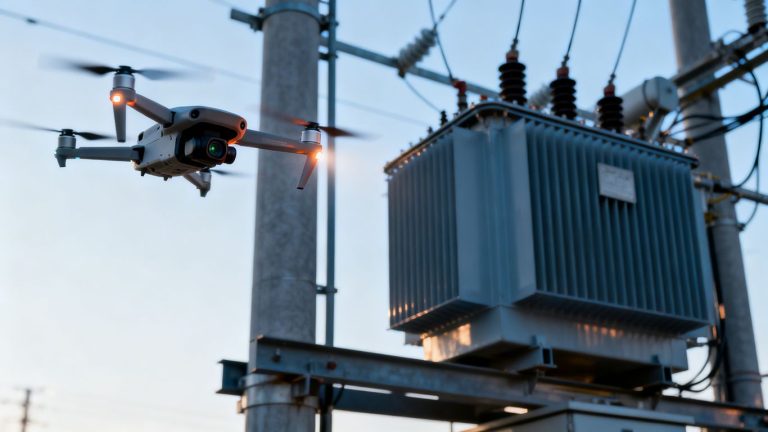
The biggest win here is keeping people out of harm’s way. Instead of inspectors climbing structures or venturing into areas with potential gas leaks or extreme temperatures, drones do the heavy lifting. They can fly over rough terrain, get close to equipment without anyone needing to be there, and generally avoid putting personnel in risky situations. This means fewer accidents and a much safer work environment. It’s a pretty straightforward benefit that makes a huge difference in day-to-day operations. For example, inspecting high-voltage power lines used to require crews to get up close, but now, drones handle much of that work from the ground, as seen in power line maintenance.
Achieving Unprecedented Speed And Efficiency
Let’s face it, time is money, and when you’re monitoring miles of pipeline, speed matters. Drones can cover ground way faster than a person on foot or even a slow-moving vehicle. They can be programmed to fly specific routes automatically, covering large areas in a fraction of the time it would take with traditional methods. This means you can inspect more pipeline, more often. Imagine scanning one facility after another in a single flight; it streamlines the whole process dramatically. This efficiency is a major reason why companies are looking at aerial solutions for things like Leak Detection and Repair (LDAR) programs.
The Cost-Effectiveness Of Aerial Leak Detection
When you add up the costs of personnel, specialized vehicles, and the time involved in older inspection methods, it gets pricey. Drone inspections cut down on a lot of those expenses. You need fewer people on the ground, you don’t need to shut down operations as often for inspections (like with flare stacks), and the overall time commitment is reduced. While there’s an initial investment in drone technology, the long-term savings in labor, reduced downtime, and prevention of costly incidents make it a smart financial move. It’s a more affordable way to keep tabs on infrastructure, similar to how thermal drone inspections are changing utility substation maintenance.
The ability to collect detailed data from a distance, combined with faster flight times and reduced personnel needs, translates directly into lower operational costs and better resource allocation for pipeline operators.
Here’s a quick look at how drone inspections stack up:
- Reduced Inspection Time: Cover vast areas quickly.
- Lower Labor Costs: Fewer personnel needed on-site.
- Minimized Downtime: Inspections can often happen without interrupting operations.
- Access to Difficult Areas: Reach locations that are hard or impossible for ground crews.
- Early Issue Detection: Catch problems before they become major, expensive repairs.
Ensuring Compliance And Data Integrity
Keeping up with all the rules and making sure your data is solid is a big part of running any industrial operation, especially with pipelines. It’s not just about finding leaks; it’s about proving you’re doing it right and keeping good records. Drone inspections really help here.
Meeting Stringent Safety And Environmental Regulations
Regulations for pipelines are getting tougher, and for good reason. We’re talking about rules from places like the EPA and industry standards that dictate how often you need to check for leaks and what you need to do about them. Using drones makes it way easier to meet these requirements because the inspections are documented and repeatable. Think about it: instead of a person driving for hours to check a few spots, a drone can cover a huge area quickly. This helps companies stick to rules like the U.S. EPA OOOOa requirements for monitoring emissions. It’s all about showing you’re being responsible.
Improving Data Quality For Proactive Maintenance
When you’re doing inspections the old way, you might miss things. Maybe the terrain is rough, or a spot is just hard to get to. Drones change that. They can get to places that are tough for people or vehicles, like areas with difficult land rights or rough ground. This means you get a much clearer picture of what’s going on. The data collected can help spot small issues before they become big problems. This allows for proactive maintenance, which saves a ton of headaches and money down the line. You’re not just reacting to problems; you’re preventing them.
Quantifying Emissions For Better Environmental Stewardship
One of the biggest wins with advanced aerial leak detection is the ability to actually measure how much gas is leaking. Drones can be fitted with special sensors that don’t just say ‘yes, there’s a leak’ but also ‘this is how much is leaking.’ This is super important for tracking your company’s environmental impact, especially with methane, which is a big deal for climate change. Having this kind of data helps you understand your emissions footprint better and lets you take targeted action. It’s a big step towards being a more responsible operator and can be integrated with tools like GIS for better tracking.
The ability to precisely measure and record emissions data from aerial inspections provides undeniable proof of due diligence. This documentation is invaluable for regulatory reporting and can significantly aid in dispute resolution if environmental concerns arise.
Navigating The Future Of Pipeline Safety
Overcoming Challenges In Drone Operations
So, we’ve talked a lot about how cool drones are for spotting leaks. But let’s be real, it’s not always smooth sailing. Flying these things, especially over long stretches of pipeline, comes with its own set of headaches. Think about airspace rules – they can get pretty complicated, and sometimes you need special permission to fly beyond what you can see. Plus, the weather doesn’t always cooperate. High winds, heavy rain, or even extreme heat can ground your operation. And then there’s battery life. For really long pipelines, you might need a whole fleet of drones or a plan for frequent battery swaps. It’s a lot to manage.
The Role Of AI In Automated Leak Detection
This is where things get really interesting. Imagine a drone flying around, collecting all this data, and then an AI system automatically sifting through it to find leaks. That’s the future, and it’s already starting to happen. AI can process the images and sensor readings way faster than a human ever could, spotting those tiny anomalies that might otherwise get missed. This means we can react to leaks much quicker, reducing potential damage and downtime. It’s like having a super-powered assistant that never gets tired.
Integrated Multi-Sensor Systems For Comprehensive Data
We’re not just talking about one type of sensor anymore. The next big step is combining different technologies. Think drones equipped with thermal cameras, methane sensors, and maybe even visual cameras, all working together. This gives us a much more complete picture of what’s going on with the pipeline. Instead of just knowing there’s a leak, we can get details about its size, the type of gas, and the surrounding conditions. This kind of detailed information is gold for making smart decisions about repairs and maintenance, helping to make existing pipeline infrastructure more intelligent. It’s all about getting the best possible data to keep things running safely and efficiently.
Wrapping Up: The Future is Airborne
So, we’ve talked a lot about how these advanced drones and cameras are changing the game for pipeline safety. It’s pretty clear that sticking with the old ways just isn’t cutting it anymore. These flying gadgets let us spot problems way faster and from a safe distance, which is a huge win for everyone involved – keeping workers out of harm’s way and helping the environment. While there are still a few kinks to work out, like figuring out flight rules and dealing with bad weather, the tech is moving fast. Basically, if you’re in the pipeline business, it’s time to seriously consider bringing these aerial inspectors on board. They’re not just a cool new tool; they’re becoming a pretty standard way to keep things running smoothly and safely.
Frequently Asked Questions
Why are pipelines so important to check for leaks?
Pipelines are like the highways for oil, gas, and water. If they leak, it can cause big problems like pollution, wasted resources, and even danger. Finding leaks fast helps prevent these issues.
How do drones help find leaks?
Drones are like flying eyes! They can carry special cameras that see heat or invisible gases. This lets them spot leaks from the sky, even in places that are hard for people to reach.
What kind of special cameras do drones use?
Some drones use thermal cameras that show temperature changes. Leaking gas often changes the temperature around it, making it visible. Others use lasers that can detect specific gases like methane from far away.
Is it safer to use drones instead of people for inspections?
Yes, much safer! Drones can go into dangerous areas where there might be harmful gases or difficult ground. This means people don’t have to put themselves at risk.
Are drone inspections faster than old methods?
Definitely! Drones can cover a lot of ground very quickly. Instead of taking days or weeks, they can inspect long pipelines in just a few hours, saving a lot of time and money.
Can drones help protect the environment?
Absolutely. By finding and fixing leaks quickly, drones help stop harmful gases like methane from escaping into the air. This helps keep our planet cleaner and meets important rules.